
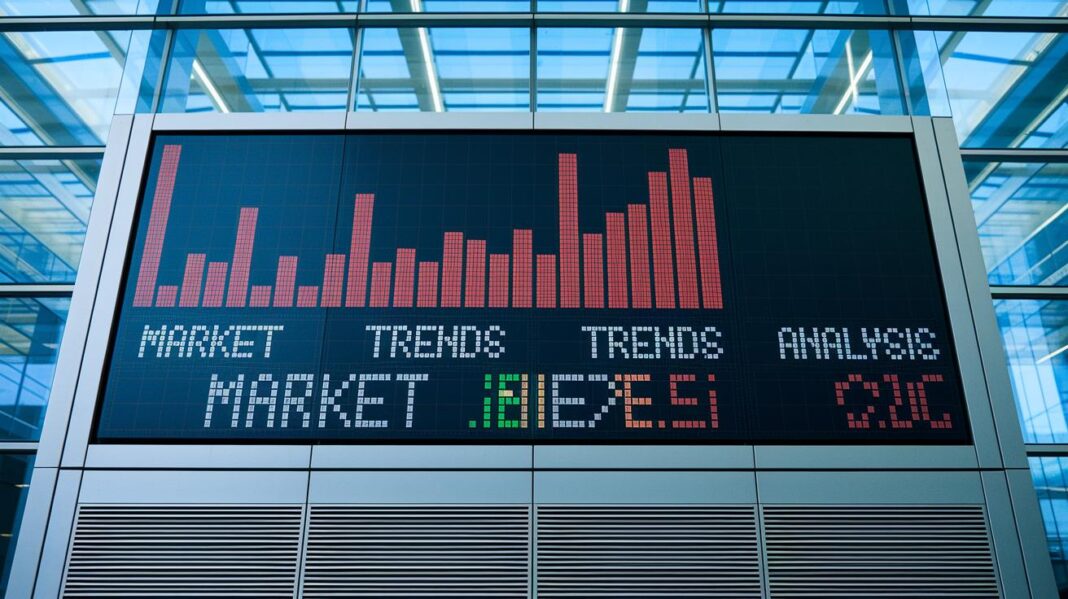
Ever wonder if market trends offer more than just a lucky guess? They rest on solid numbers and easy-to-spot signals that help shape smart business moves. Imagine the gentle clink of coins dropping into a jar, each one hinting at a shift in the market. Instead of trusting gut feelings, you get a clear picture by using tools that check real data. In this post, we slice through the background noise and show you how real numbers turn clamor into clear, bold insights that can guide your strategy.
Foundations of Market Trends Analysis for Informed Strategy
Market trends analysis is a hands-on process that relies on real data to spot patterns in how people act and the shifts in the market. It’s not about guesses; it's about watching clear, steady signals, like listening to coins drop into a jar, each one marking a change.
A clear, data-based method matters because sometimes gut feelings just aren’t enough. Tools like Google Trends, Statista, and BuzzSumo give you a snapshot of today’s market vibes, while technical analysis (which means looking closely at charts and numbers to understand movement) enhances those views. With solid numbers and regular checks, businesses can adjust their plans quickly and avoid costly mistakes.
Here are six key steps to keep things simple:
- Set clear goals so you know exactly what to measure.
- Keep up with industry news for updates as they happen.
- Use digital tools to catch current market trends.
- Listen to your customers by using surveys or direct feedback.
- Rely on predictive analytics (a way to use today’s data to guess future trends) to see what might come next.
- Align your actions with your business goals.
This six-step plan turns raw data into practical moves. With clear insights, decision-making becomes more precise, letting you grab opportunities and plan for long-term success by linking real market signals to financial forecasts.
Industry Pattern Evaluation Techniques in Market Trends Analysis
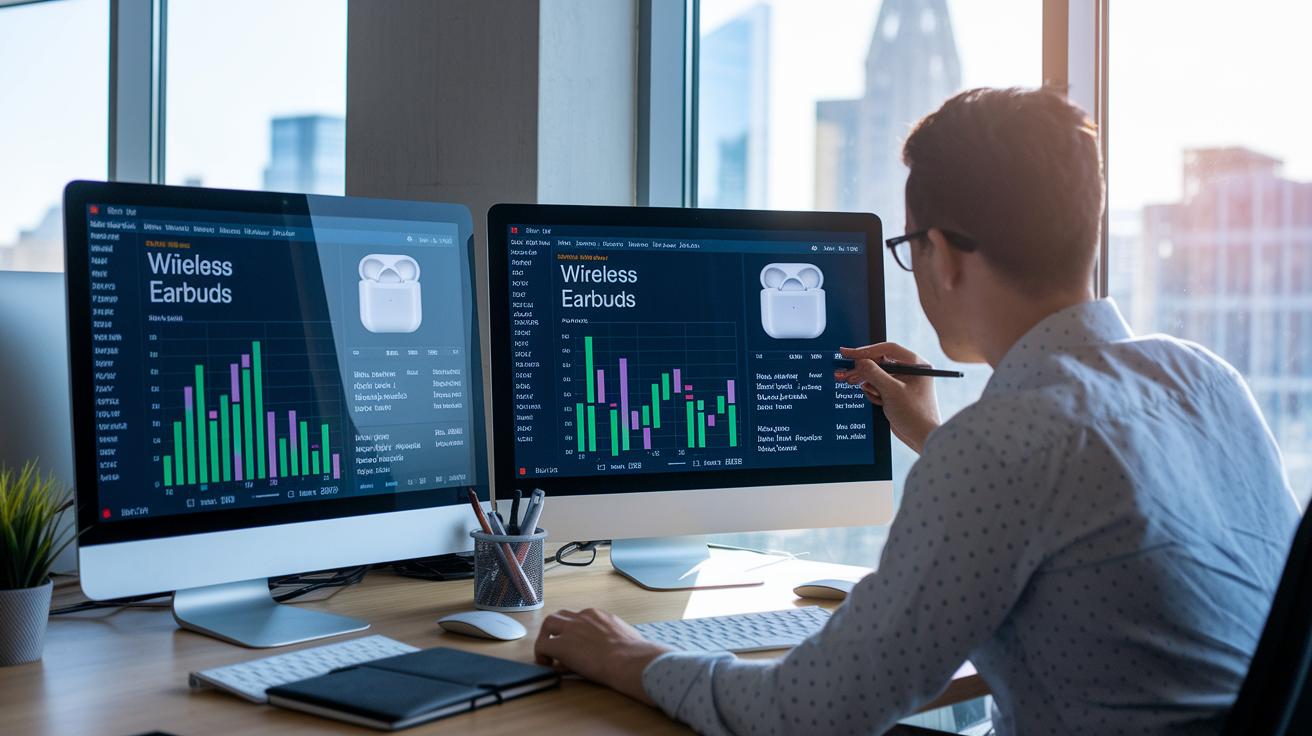
Reading the market is a bit like feeling its pulse. Experts now use smart methods that go much deeper than just the obvious signs. For example, a local shop once noticed a sudden wave of online reviews for wireless earbuds. They quickly stocked up, beating their competitors by acting on a small but important clue.
Today’s research tools include modern algorithms that sort through data from millions of shoppers in many countries. It’s like having a clever friend who listens in on every conversation in a busy room, catching even the tiniest shifts in how people talk about products.
Staying on top of trends means using easy-to-read dashboards that mix traditional research with real-time customer feedback. By checking detailed reports and fresh social media chatter, you can make smart, quick decisions as new patterns start to appear.
Assessing Economic Shift Studies within Market Trends Analysis
When you watch economic shifts, you’re really keeping an eye on a few simple numbers like GDP growth, interest rate changes, and fiscal tweaks. Think of these numbers as the heartbeat of the economy, they show whether things are buzzing or slowing down. Experts dig into these figures like they’re little clues in a mystery, setting aside the small ups and downs to see the steady trends that matter most for planning ahead.
Predictive models put these clues together by using today’s data to sketch what tomorrow might look like. It’s a bit like using a map with several routes to decide which road feels the smoothest. By filtering out the short-term chatter, these models help businesses adjust their strategies confidently while keeping an eye on the gradual shifts that drive the market.
Consumer Behavior Examination in Market Trends Analysis

Understanding how people decide to spend their money is like tuning into the heartbeat of the market. When you watch how someone picks a favorite brand or grabs that trendy gadget, it's clear that real choices shape market trends. It's not just a theory, it’s about feeling the pulse of everyday life.
We like to use both hard numbers and real-life opinions for a well-rounded view. Surveys give us the numbers, while listening to online chats shows us what people really feel. For instance, tools like ZinklarAi collect data from millions, mixing straightforward stats with everyday stories.
After gathering all this information, we sort it into small, clear groups. Imagine breaking down feedback from Gen Z on topics like AI, mental health, or media trends, it helps each group tell its own story. Combining basic details with personal tastes makes it easier for businesses to take simple, smart steps forward.
market trends analysis: Bold new insights
When it comes to checking how competitors are doing, numbers really tell the story. Think about website visits, likes on social media, and changes in market share, they show what’s working and what isn’t. Keeping an eye on these figures helps business owners know which competitors grab more attention online, and where they might need to step up their game.
But numbers alone don’t capture everything. Diving into customer reviews, benchmark studies, and comparisons from top groups like the seven Gartner competitors or Glimpse Trends alternatives can add a personal touch. For example, when you look at comments on social posts and overall brand mood, you get hints about what people really think, things that plain numbers might miss.
Mixing both types of insights, hard numbers and real customer feedback, gives a much clearer picture. This well-rounded view helps teams see hidden strengths and spots that need fixing. In other words, it shows where to push forward or change direction quickly. By turning all this information into clear steps, businesses can make smarter, more agile decisions.
Financial Forecasting Frameworks in Market Trends Analysis

Forecasting is like reading the market's signs. It turns a jumble of numbers into a clear plan for making your business grow. By guessing where profits and revenue might go, companies can step into the future with a bit more confidence. And when you use forecast models, you aren’t just reacting to what’s happening today, you’re planning for what comes next. Think of it like checking the weather before you leave the house; you know whether to grab an umbrella or enjoy a sunny day.
Next, it’s all about picking the right details and crafting solid predictions. Businesses pull clues from all over, like seasonal shopping habits and customer moods. For example, insights from holiday shopping trends or a look at top products can really strengthen your forecast. Here, hard data like revenue joins forces with softer info like customer reviews or competitor moves. Mixing these bits together paints a full picture of what might happen. And using tools that track stock trends makes sure your prediction is based on real, everyday happenings.
Finally, you need to check your forecast to see if it agrees with past results and current signals. It’s like testing a roadmap in different places to be sure it works. When your predictions match your business goals, they turn into clear steps you can follow. This careful fit helps companies prioritize, use their resources wisely, and move forward with true confidence.
Final Words
In the action, this article showed how market trends analysis helps decode everything from consumer habits to competitor performance and financial forecasting. We broke down the process into clear steps, explained key economic factors, and shared practical tips for making smart strategic moves.
Every part built a case for using data and analysis to sharpen your financial decisions while keeping things straightforward. Moving forward, applying these insights can spark real growth and stability in your financial plans.
FAQ
Frequently Asked Questions
Q: What are examples of market trends analysis?
A: Examples of market trends analysis include organized reports, samples, and PDFs that clearly outline shifts in consumer behavior and industry activity using a structured, six-step process.
Q: How do I analyze market trends?
A: Analyzing market trends means collecting data from news, customer insights, and online platforms, then applying predictive methods to spot shifts and craft strategic plans.
Q: Which tool is commonly used to analyze market trends?
A: A popular tool is Google Trends; it provides real-time insights into search activity and handy data that help track changing consumer interests.
Q: What are market trends?
A: Market trends refer to the patterns in consumer behavior, industry changes, and economic factors that shape how businesses plan their strategies.
Q: How is market analysis incorporated in a business plan?
A: Market analysis becomes part of a business plan when using clear reports and templates that outline current trends and forecasts, making strategies data-driven and actionable.