
Have you ever thought about expanding your investment reach beyond your local market to boost your savings? Going global opens up a world of opportunities in fresh industries and well-known markets alike.
You might consider options like ETFs (funds that bundle together different stocks), mutual funds (pools where your money is teamed up with others and managed by experts), or even ADRs (shares in foreign companies you can buy locally). These choices can bring a bit of variety to your portfolio while keeping things simple.
In this guide, we'll share a clear, step-by-step plan to help you dip into global investing in a way that matches your money goals and comfort with risk. With a few smart growth tips, you'll find it easier than ever to build a balanced portfolio that spans borders without feeling overwhelming.
How to Invest in Global Markets: Smart Growth
Investing in global markets can be an exciting way to grow your savings while keeping risks in check. When you look beyond local borders, you tap into new industries and economies. You might buy shares directly or use tools like ETFs (exchange-traded funds) or mutual funds. There are other options too, like ADRs (American Depository Receipts) and GDRs (Global Depository Receipts), which make it easier to invest in companies based overseas. Each choice comes with its own fees and rules, so it's good to choose what fits your own money plan.
Diving into global markets lets you build a portfolio that crosses borders. This means you can reach into both fast-growing new markets and well-established ones. Whether you play it safe or take a few calculated risks, you can align your investments with clear growth paths.
Here’s a simple way to start:
- Pick your global investment goal and decide how much risk you’re comfortable with.
- Open a brokerage account that supports different currencies.
- Choose the type of investment that feels right for you (ETFs, ADRs, direct stocks, etc.).
- Get familiar with how currency conversion works and know what fees might come into play.
- Map out a basic plan for how you want to spread your investments globally.
Begin by setting clear money goals and figuring out your risk tolerance. Then, set up a brokerage account that offers a window to international markets (for example, check out options at https://moneyrepo.com?p=3216). With this planning phase, you're laying the foundation for a well-balanced portfolio that matches your financial dreams and your comfort level with risk.
Understanding Investment Vehicles in Global Markets
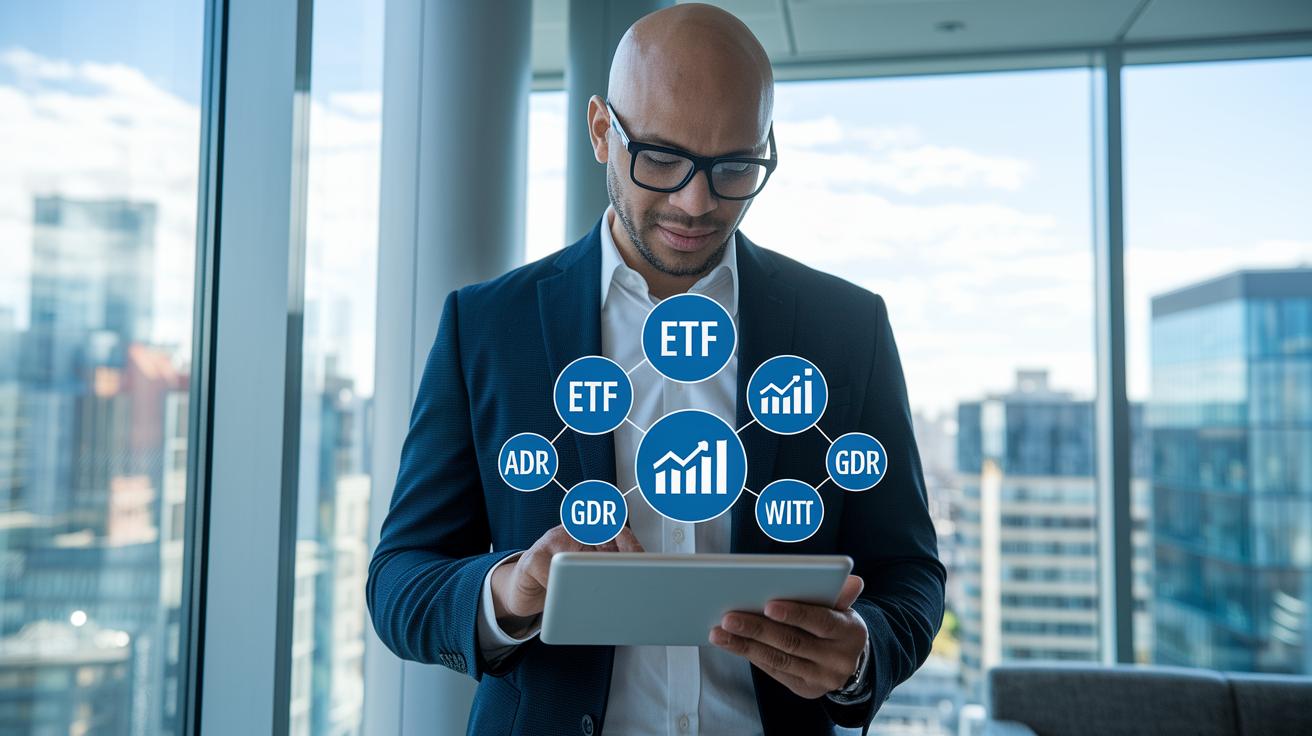
Many investors pick ETFs and mutual funds because they spread your money across different assets for you. They’re simple to manage since fees come built-in, and you don’t have to worry much about setting things up yourself. ADRs let you buy foreign stocks on U.S. exchanges using dollars, which makes it easier to invest overseas. Meanwhile, GDRs work like certificates from banks that show you own shares in companies from other areas. If you decide to buy stocks directly from foreign markets, you get complete control, but you also need to handle extra details like different tax rules and local regulations.
| Vehicle Type | Description | Benefits | Typical Costs |
|---|---|---|---|
| ETFs | Funds that trade on exchanges and include a mix of assets. | They offer built-in diversification without much hassle. | Expense ratios and brokerage commissions. |
| Mutual Funds | Portfolios managed by professionals with various holdings. | Professional management and diversified exposure. | Higher management fees and sometimes sales loads. |
| ADRs | Certificates for foreign stocks traded on U.S. exchanges. | Make investing easier with transactions in dollars. | Brokerage fees and some handling costs. |
| GDRs | Bank-issued certificates that represent shares in foreign companies. | Let you invest in companies across different regions. | Currency conversion fees and cross-border charges. |
| Direct Equities | Buying individual stocks either locally or internationally. | You get full control and a chance for market gains. | Higher transaction fees plus extra costs for taxes and regulations. |
Choosing the right vehicle means matching it with your own goals and comfort with risk. If you like a hands-off approach where your money is automatically diversified, ETFs might be just right. On the other hand, if you enjoy being more involved, direct equities could work better for you.
Assessing Risk and Currency Strategies in Global Investment
Investing in foreign markets can be exciting but also a bit unpredictable. Political shifts and different economic climates may change how much you earn, so it pays to be ready for quick moves and clear insights into what might go wrong.
Here are some common challenges you might face:
- Unstable politics that can shake up the markets.
- Currency ups and downs that might shrink your gains.
- Local rules that catch you off guard with unexpected costs.
- Sudden market swings that make timing your moves tough.
- Quick changes in economic policies.
- Language or cultural differences that can slow communication.
To keep your investments on track, try these simple strategies:
- Lock in your future exchange rates using forward contracts. This means you decide today what the rate will be tomorrow.
- Use currency options to protect yourself if rates suddenly shift the wrong way.
- Consider hedged ETFs that are designed to cut down on the risk of changing currencies.
- Spread your investments over different currencies so one dip doesn’t hit you too hard.
- Keep an eye on what central banks and economic reports are saying; these give you clues to better plan your moves.
Watch your markets closely, check in on the latest signals, and use tools like the TVM financial calculator to see how currency swings might affect your portfolio. By regularly rebalancing and diversifying, you'll be better equipped to handle political or market surprises. This steady, hands-on approach, along with simple hedging techniques, helps you build a solid investment plan that adjusts to changing times.
Navigating Regulatory and Tax Considerations in Global Markets

When you invest in other countries, understanding taxes is essential. Often, foreign dividends have a tax taken out right away by the country where they come from. Then, when you report them in the US, they count as regular income. Tax treaties between countries help stop you from being taxed twice by setting clear limits on tax rates. By filing forms like Form 1116 with the IRS, you can claim credit for the taxes you've already paid abroad. This keeps your tax situation straightforward and protects your returns from unexpected cuts.
You also need to follow local rules about reporting sales and income. Many countries require extra details, and local brokers might ask for additional forms to show that you deserve lower rates. Working with a tax expert who understands both US taxes and foreign rules can be a big help. This proactive step makes sure your paperwork is right and that you follow all the necessary rules to avoid any fines.
Staying updated on local restrictions, such as limits on foreign ownership and exchange rules, and sticking with brokers who follow these rules is your best strategy to keep your global investments secure.
Building a Diversified Portfolio Across Global Markets
Mixing different investments is a smart way to lower your risk. You can put money into stocks (equities), bonds, and other types of assets like real estate or commodities. Think of developed markets in the US, UK, and Japan as a solid, stable base, places with clear rules and a long history of steady performance. Meanwhile, emerging markets like South Korea and Thailand might offer faster growth, and frontier markets such as Kenya and Bangladesh could reward you with big gains, even if they are a bit more unpredictable.
Adding things like U.S. Treasury Bills, which offer around 3.75% annual percentage yield (APY, a simple way to understand your yearly earnings), can help keep your portfolio calm during market swings. Bonds and alternative investments each play their own role, depending on local economic vibes. By spreading your money across multiple countries, you tap into opportunities that go beyond your own backyard. This means you get the chance for both fast growth and steady, lower-risk returns.
For example, you might consider this mix:
| Asset Class | Percentage |
|---|---|
| Developed Market Assets | 40% |
| Emerging Market Equities | 30% |
| Frontier Market Investments | 10% |
| Low-risk Options (U.S. Treasury Bills) | 20% |
This mix gives you a clear path to balance steady, long-term returns with exciting opportunities for growth worldwide.
Selecting Platforms and Brokers for Global Market Access

U.S. brokers usually let you tap into many foreign exchanges, with fees that come in different layers. This setup works great for lots of investors because it offers platforms you already know and processes that feel familiar. But if you're curious about stepping outside traditional U.S. markets, a specialized global broker might be the ticket. These brokers often let you work with more than one currency and offer advanced trading tools that make it easy to keep an eye on markets around the world. Imagine moving from regular stock trading to a platform that lets you check on several international markets without a hitch.
When you're comparing platforms, keep an eye on the features that truly matter. Start by checking if you can trade in the parts of the world that interest you. Look for straightforward research tools that give up-to-date insights, helping you plan your next move with confidence. Execution speed is key too, quick trades can really save you when market conditions change fast. If you might trade using borrowed money (leverage means using funds you don’t actually own), see if the broker offers margin access. And make sure to test the waters with their customer support. Some brokers might sneak in fees if you’re inactive or for holding your investments, so knowing these costs in advance helps keep your budget on track.
Here's a simple checklist to guide you:
- Check that the broker covers the markets and regions you want to trade in.
- Look for research tools that are clear and up-to-date.
- Ensure the platform supports fast trades.
- Verify if they offer margin access for leverage trading.
- Look into multi-currency account options.
- Confirm that customer support is reliable and easy to reach.
Entry Strategies for Developed, Emerging, and Frontier Global Markets
Developed markets offer steady growth and fewer surprises. Countries like the US, the UK, and Japan have systems and rules that work reliably. You know that feeling when you trust the stability of a well-known road? That’s what these markets feel like.
Emerging markets, like those in South Korea or Thailand, can move faster. They bring the buzz of rapid changes, which means your investments might ride some big swings, both up and down. It’s like a roller coaster that promises fun, but you need to hold on tight.
Frontier markets, such as Argentina or Kenya, are newer players on the global stage. They can offer big rewards, but they come with challenges like fewer trading options and uncertain politics. Imagine stepping into a new neighborhood where you’re still learning the lay of the land, that’s how these markets can feel.
Investors often choose different paths for each market type. For example, direct stocks or broad-market ETFs are common for developed markets, helping keep returns steady while keeping risks in check. For emerging markets, many look at country-specific or themed ETFs that focus on particular industries or trends. And for the frontier markets, specialized ETFs or ADRs (which let you invest in companies from these less mature areas) may be the way to go.
It’s really important to do your homework. Look at fees, check how clear the market data is, and pay attention to political and economic signals. Taking a careful, patient approach lets you plan smart moves without getting caught off guard.
Essential Tools and Research Methods for Global Market Analysis

Good market analysis starts with solid, reliable numbers. Investors often look at key signals like GDP growth (how much a country’s economy is improving), inflation, and debt levels to get a quick read on economic health. Local exchange information and political-risk ratings add extra flavor by showing how steady or shaky a business climate might be. Tools like economic calendars and daily news feeds keep you updated on these important signals. And when you use screeners to comb through lots of data, you can easily spot which regions are leading the pack. For example, if you notice a sudden spike in inflation in a country, it might be time to reconsider your strategy.
Next, using the right analysis methods is a game changer. Charting tools that feature technical indicators help you notice trends and decide when to jump into a trade. Reports from market analysts and ratings from agencies explain a country’s debt situation in everyday language, so you understand the risk involved. Together, these techniques build a clear picture of what’s happening both today and down the road. Need more help? Check out methods of market analysis for a deeper dive.
Mixing numbers like charts and data with insights from experts makes your analysis balanced. This way, you not only see the cold, hard numbers but also grasp the real story behind them.
Expert Tips for Optimizing Global Investment Strategies
Start with easy, careful moves. Try small amounts in your international investments so you can test the waters without risking too much. It’s like dipping your toe in a cool stream before you jump fully. And set a regular check, maybe every few months, to make sure your mix of investments stays balanced. Also, watch your money’s value in other currencies because changes there can surprise you with unexpected results.
Next, plan some safety moves for rough market days. When things get bumpy, using stop-loss orders can help protect you by limiting big losses. Think of it as a safety net when the market feels like a wild roller coaster ride. You might also choose low-cost ETFs to spread your investments around the world, and consider smart tax options like IRAs or 401(k)s to keep more of your earnings.
Finally, keep checking in on your investments so they grow the way you want. Compare your progress against global standards like the MSCI World Index to see if you’re on track. It’s a good idea to pause now and then to see if your returns match your goals, and adjust if something isn’t working as planned. This regular check-up not only keeps your money moves aligned with your dreams but also helps you learn and get more confident about investing all over the world.
FAQs on Investing in Global Markets

Can U.S. citizens invest in foreign markets?
Yes, U.S. citizens can invest overseas. Many reliable brokers let you do this right from home. They offer options like ADRs, which are a simple way to invest in foreign companies using U.S. dollars. It’s a good idea to review each platform’s requirements and fees before you jump in.
What investment accounts do I need for cross-border investing?
You usually need a special account that allows international trading, like a multi-currency or global account. These accounts help you manage money in different currencies and keep conversion costs in check. Check with your broker to see which account works best for your global goals.
How do I buy foreign stocks online?
You can buy foreign stocks through online trading platforms that list international shares or ADRs on U.S. exchanges. This method keeps your trading in one familiar place. Make sure to explore the platform’s tools to see if they fit your trading style.
Are there many fees involved with investing in global markets?
Yes, you might face fees like transaction charges, currency conversion costs, and other broker fees. These expenses can add up and affect your returns. It pays to compare the costs before deciding on the best platform for your needs.
What are the taxation implications of foreign dividends?
Foreign dividends are generally treated like regular income in the U.S. and may also come with foreign withholding taxes. Keeping good records of your investments is key for accurate tax reporting. Reviewing tax guidelines can help you handle any tax issues that come up.
What should beginners know about cross-border investing?
If you’re just starting out, begin with some research and small investments to build your confidence. Learning the basics, like fee structures, currency effects, and simple diversification strategies, can set you up for success in global investing.
Final Words
In the action, you learned the basics of investing abroad. We covered ways to set clear goals, explore different vehicles like ETFs and ADRs, handle risks and currency moves, work through tax and legal rules, build a balanced portfolio, pick the right platforms, and even answer common questions.
Moving forward, keep it simple and adjust your tactics as you grow. Stay curious about how to invest in global markets and enjoy every step toward growing your financial future.
FAQ
What are the top 10 international stocks?
The top 10 international stocks typically refer to well-established companies with strong global market performance. They offer diversification benefits and are often highlighted by reputable research and investment platforms.
How do I buy foreign stocks online and on Fidelity?
Buying foreign stocks online means using a platform that provides access to global markets. Fidelity offers international stock purchases through its multi-currency brokerage, with clear fee structures and account requirements for smooth transactions.
What are the benefits of international investing?
International investing benefits include portfolio diversification, exposure to different economies, and potential for higher returns by tapping into growth markets abroad. It helps spread risk while offering access to innovative global businesses.
What international investment opportunities and types exist?
International investment opportunities include direct equity purchases, exchange-traded funds, American Depositary Receipts, and mutual funds. Each type lets you tap into different markets and risk levels while expanding your portfolio internationally.
What does international investment mean and where can I find more information?
International investment means placing capital in foreign assets to spread risk and explore additional growth opportunities. Detailed guides and PDFs are available from trusted financial websites and investment platforms for further insights.
What factors should I consider when researching funds like Vanguard and Schwab international funds?
Researching funds such as Vanguard Total International Stock Index Fund Admiral Shares or Schwab International Index Fund® involves reviewing fees, diversification, and overall performance. These funds are designed to offer efficient, diversified exposure to global markets.