

Have you ever wondered if debt reduction programs help or hurt your finances? You’re not the only one. Many people try different approaches, whether it’s a debt management plan, debt settlement, or even handling debt on their own.
Each method comes with its own ups and downs. Some plans guide you step-by-step, like a friend walking you through a recipe, while others might sneak in extra fees that could hurt your credit score.
In this chat, we’ll compare the good and not-so-good sides of these options to help you decide which one fits your money situation best. Ever thought about which plan might lighten your load? Let’s find out together.
Comprehensive Comparison of Debt Reduction Program Pros and Cons
If you’re looking for a way to tackle your debt, there are several programs you can choose from. These include plans where you repay your debt step by step (like debt management plans), deals that shrink what you owe (often called debt settlement), doing it yourself with methods like the debt snowball or avalanche, combining debts into one, getting advice from a credit counselor, or even filing for bankruptcy. Each option has its own ups and downs, and it really helps to know what they offer to pick the one that fits your money situation best.
Taking a closer look at the good and the not-so-good sides of these methods can make it easier for you to see how they might affect your credit or overall financial well-being. Some methods give you a steady plan for paying off your bills and may even boost your credit in the long run. Others might promise fast relief but come with extra risks. By comparing them side by side, you’ll have a clearer picture and can choose an approach that matches your needs today and your future financial goals.
| Program Type | Key Pros | Key Cons |
|---|---|---|
| Debt Settlement | May lower the total debt owed | Can involve high fees, hurt your credit score, and forgiven debt might be taxable |
| Debt Management Plans (DMPs) | Offers a clear plan for repayments and may improve your credit | You might need to close some accounts, which can temporarily lower your credit score |
| DIY Debt Management | No fees and gives you full control over payments | It can be tricky to juggle several creditors, and it takes a lot of time |
| Debt Consolidation | Makes payments easier by combining them, and could lower interest rates | Usually needs good credit and might extend the length of your loan |
| Credit Counseling | Provides personalized advice and can sometimes reduce fees | Quality can vary a lot from one agency to another |
| Bankruptcy | Can wipe out many types of debt in extreme cases | Remains on your credit report for 7 to 10 years, affecting future options |
Different money challenges often call for different solutions. If you’ve got a steady paycheck and a good credit score, you might lean toward debt consolidation or managing your debt on your own. But if high interest rates and multiple creditors are weighing you down, a structured debt management plan or credit counseling could be a better fit. And in the toughest situations, debt settlement or even bankruptcy might be the only ways out.
In-Depth Analysis of Debt Settlement Program Pros and Cons

Debt settlement is when you talk with your creditors to lower the amount you owe. Whether you handle the discussions yourself or let a company guide you, the idea is to cut down your debt fast when other options aren’t working. It can feel like a lifeline in tough financial times, but it isn’t without its risks. Missing payments during this process might add extra fees and hurt your credit score, and any debt that gets forgiven could end up being taxed as income.
Primary advantages of debt settlement include:
- A smaller overall balance, which can ease the pressure of your monthly payments.
- The potential for a one-time lump sum payment that speeds up the debt payoff.
- Quick relief when you’ve tried traditional repayment plans with no luck.
However, there are also some key drawbacks to keep in mind:
- For-profit companies might charge high fees over long periods.
- Your credit score could take a hit if you miss or pause payments during the negotiations.
- Any debt wiped out by the settlement might count as taxable income, leading to a tax bill.
- There’s no guarantee that creditors will even agree to settle for less than what is owed.
If you’re really struggling with your finances and have few other options, debt settlement could be something to consider. It might offer the immediate debt reduction you need, but it’s important to keep a close eye on fees, credit implications, and the potential for unexpected tax consequences before making a decision.
Evaluating Debt Management Plans: Structured Repayment Benefits and Drawbacks
Debt management plans bundle all your bills into one easy monthly payment. Credit counseling agencies handle these plans by working with your lenders to lower interest rates or even cancel some fees. One client shared how comforting it was to hear their counselor say, "I saw my debt shrink every month, like watching a slowly receding tide."
Paying the same amount each month can make budgeting feel simpler. Think of it like following a steady rhythm where every on-time payment boosts your credit score , one study even showed a 25-point jump over two years. Many people also enjoy seeing their progress, much like marking each step on a scenic mountain hike.
But there are some bumps along the way. Closing some credit accounts might hurt your borrowing power for a little while. One case revealed a temporary spike in credit usage after a few cards were closed. Plus, while the plan usually takes three to five years, some folks wish they could see faster financial results.
These plans work best if you have a steady income and like a clear, guided path to pay off debt. If you prefer a slow and steady approach over quick fixes, this method could be the right fit for you.
Debt Consolidation Strategies: Simplified Payment Versus Long-Term Costs

Debt consolidation is like gathering a bunch of small piles of debt and stacking them into one neat pile. In simple words, you take several loans or credit card bills and combine them into one loan or credit line. The lender will check your credit score (a number showing how well you’ve managed money in the past), your income, and your past debts to see if you qualify. Sometimes, if your credit is good, you might get a better deal. Other times, you could need to offer collateral (something valuable you own) to secure the loan.
When your credit is strong, consolidation can be a win because it might lower your interest rate and help you pay off faster. Imagine having one clear monthly payment instead of juggling several; it makes budgeting feel a lot like organizing coins in a special jar. But if your credit isn’t so great or if the repayment time is very long, you might end up paying more extra money over time.
It’s important to know that debt consolidation is different from debt settlement. With debt settlement, you try to negotiate a lower total amount to pay. But with consolidation, you still pay back the full original amount, just in a simpler, steadier way. This method helps you have predictable payments each month, even though the overall debt doesn’t drop like it might with a settlement plan.
If you have a solid credit history and a stable income, consolidation could be a smart move. It works best for those who want manageable payments and a clear plan to clear their debt. However, if your credit is on the lower side, you might want to explore other strategies that better match your financial situation.
Government and Specialized Programs: Student Loan Relief and Alternatives
Federal consolidation means you can merge several federal student loans into one simple monthly payment by using a Direct Consolidation Loan. It streamlines your payments and might even let you adjust your repayment terms. If keeping track of multiple loan servicers feels overwhelming, this option collects everything in one easy-to-manage package.
Income-driven repayment plans work by setting your monthly payment based on your income. In other words, you might end up paying just a small slice of your discretionary income, sometimes nearly nothing at all. This can really ease your budgeting stress when times are tight.
Loan forgiveness programs, like Public Service Loan Forgiveness, wipe out your remaining balance after you make 120 qualifying payments, and the forgiven amount isn’t taxed. These programs are perfect if you work in public service and keep up regular payments, offering hope for long-term financial relief.
Private loan options don’t offer federal forgiveness, but there are other choices like in-house hardship plans or refinancing. These alternatives come into play for borrowers with private loans who face financial challenges, especially when federal programs aren’t available or the loan terms aren’t as favorable.
Choosing the Right Path: Guidance on Post-Program Recovery and Credit Rebuilding
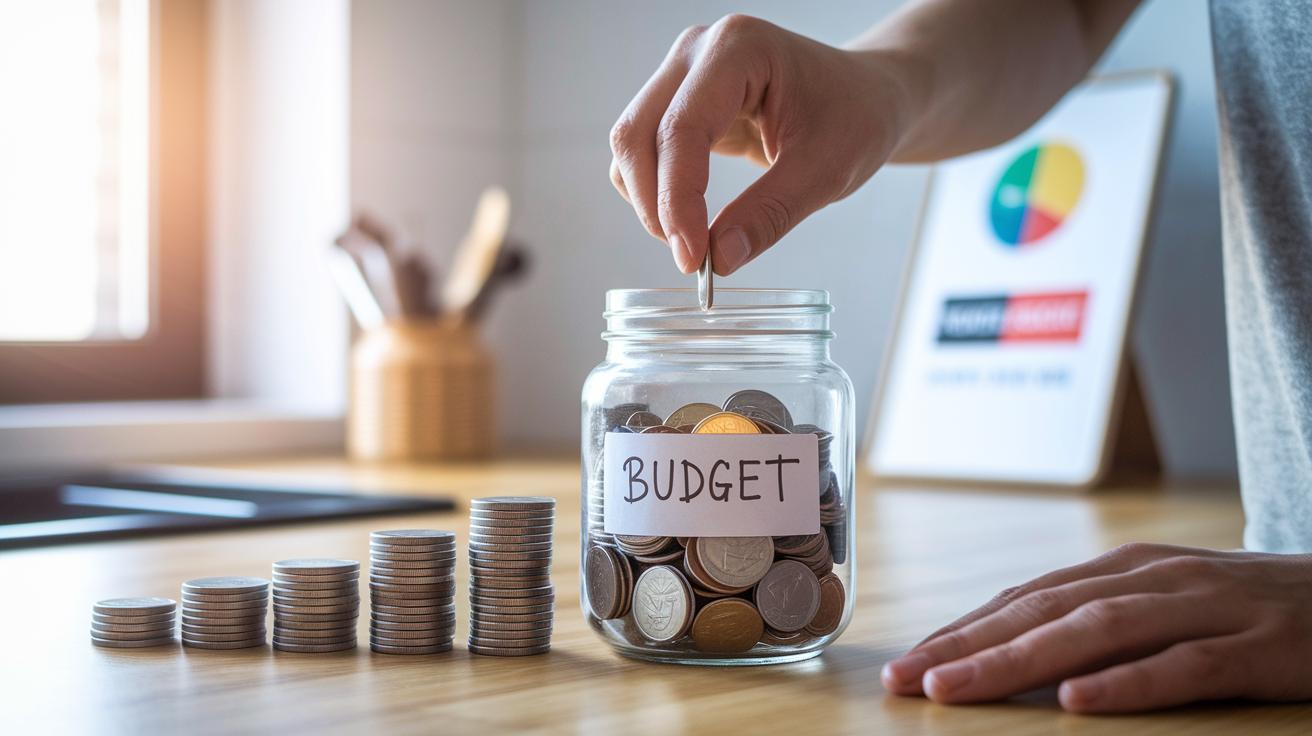
After you finish a debt relief program, one of the smartest moves is setting up a solid monthly budget. It helps you handle your everyday expenses and reserves a little extra for those unexpected moments. Imagine placing coins carefully in a jar, each coin represents a step toward keeping old spending habits at bay.
Using the right financial tools can give your credit a real boost. Secured credit-builder loans and secured cards let lenders know you’re managing credit well. When you pay on time each month, it’s like stacking small building blocks that gradually strengthen your credit score. You might also try easy DIY tips like keeping an eye on your accounts or even writing a letter to negotiate better terms (check out "How to Repair My Credit on My Own" for more ideas).
Keeping a regular check on your finances is essential for long-term success. Whether you use a budgeting app or simply do a quick review now and then, this habit can catch small issues before they grow. It’s like spotting a tiny leak before it becomes a flood. Over time, this practice shows you where to trim your spending, building a firm financial foundation that lasts.
Final Words
In the action, this post broke down different debt reduction strategies, from debt settlement and management plans to consolidation and government aid programs. It sheds light on how each option works, along with their benefits and drawbacks, while guiding you to match the method with your unique needs.
By weighing the pros and cons of debt reduction programs, you gain insights to build better habits for a secure financial future. Small changes today lead to a brighter tomorrow.