
Have you ever wondered if your money could spark a big change? Fintech is shaking things up, making cash move in brand new ways. It’s like having a fresh set of tools right in your pocket!
Imagine this: digital funds might hit $305 billion by 2025, and markets in India are growing fast. That means today's tech is inspiring fresh ideas that help us break old habits. Banks are finding safe ways to share your information, and clever apps are turning managing money into something fun.
This new wave of finance is all about innovation that can help everyone. The future of money is arriving sooner than you might think.
Fintech Trends Ignite Innovation and Prosperity

Digital money is changing how cash moves around the globe. Experts say the market could grow to $305 billion by 2025. Here in India, the fintech world is booming , it jumped from $50 billion in 2021 to about $150 billion by 2025, making India one of the top three fintech hubs.
New tech and how we shop today are at the heart of these changes. It’s like watching a fresh breeze stir up old habits. Investors everywhere are excited by these numbers and trends.
Some key trends shaking up the market are:
- Open banking (a safe way for banks to share your info so you get better services)
- Embedded finance (money services hidden inside your favorite apps)
- Internet of Things (smart gadgets that connect and work together)
- Artificial intelligence and machine learning (computers that learn from data to help you out)
- Neobanking (all-digital banks without long lines)
- Buy Now Pay Later (buy what you need now and pay later)
- Peer-to-Peer lending (friends and people lending money directly)
- Biometrics (using your face or fingerprints to keep your info safe)
- Gamification (turning money tasks into fun challenges)
- Regtech (tech tools that help banks follow the rules)
Companies are using open data and smart APIs to build services that feel personal and easy to use. It’s a win for customers and a guide for both new startups and big banks planning their next moves.
| Region | 2021 Market Size | 2025 Market Size |
|---|---|---|
| Global | $200 Billion | $305 Billion |
| India | $50 Billion | $150 Billion |
| APAC | $100 Billion | $180 Billion |
Fintech Trends in AI and Machine Learning Applications

AI is quickening the pace of how money gets handled behind the scenes. It’s like having a smart helper that sorts out bills, matches transactions, checks rules, catches fraud, and even processes applications with barely any human help. Imagine a helper that scans through mountains of data in seconds, much faster than any of us could. It’s a bit like having a friendly assistant who never sleeps, always keeping an eye out for unusual activity.
Machine learning works by studying past data to guess what might happen next. This tool customizes financial services so that everyone gets what they need. It figures out risk levels, decides on rates just for you, and gives tailored advice on loans and investments, all by looking at what you did before. It reminds me of a caring teacher who knows exactly how to help each student succeed.
This technology really shines in lending and assessing risks. Banks now spot credit risks with better precision, which means safer, smarter choices can be made. When you get personalized suggestions, the whole journey with your money becomes smoother and less confusing.
But, there are still bumps along the road. Experts at the World Economic Forum have noticed a growing gap in skills when it comes to AI, machine learning, data science, and even blockchain. This shows us that it’s important to keep learning and welcoming new talent if we want to keep up with all the rapid changes.
Fintech Trends in Blockchain and Tokenized Assets

Blockchain is shaking up modern banking by opening doors to fresh ideas and smoother ways of handling our money. One exciting development is tokenized assets. In 2025, these digital assets soared to a market size of $25 billion, which is a huge jump since 2020. Imagine owning a piece of art, a bit of real estate, or other valuable treasures without drowning in paperwork, it’s like having a slice of the future in your hands.
Stablecoins are also catching on. These digital coins are tied to regular money, like the U.S. dollar, so they’re steady and trustworthy. Big banks like Bank of America, Citibank, and Societe Générale are backing them. They give you the strong value you’re used to, along with the speed and safety of blockchain technology.
Then there are smart contracts, which work a bit like digital vending machines. They automatically complete transactions once all the rules are met. This means less waiting, lower risks, and fewer mistakes compared to doing everything by hand. It’s a simple way to make sure everything runs fast and smooth.
All of these blockchain tools are coming together to build a digital money world that’s quicker and easier to navigate. They turn what used to be slow and complicated processes into straightforward steps that feel almost effortless.
Fintech Trends in Embedded Finance and Super Apps

Embedded finance is turning the apps we use every day into handy money helpers. Picture this: you open your favorite shopping app and, in one go, you can apply for a small loan, pay using a digital wallet, and even add a bit of insurance to your purchase, all without leaving the app. It’s like having a mini bank right in your pocket.
In India, the UPI system shows us how this works. Mobile-first services and digital wallets have exploded in popularity because UPI makes transactions quick and secure. Think about how you tap your phone at a store instead of fumbling with cash, that’s the magic of UPI, turning once clunky processes into quick swipes that just work.
Now, let’s talk about super apps. These are the all-in-one solutions that mix shopping, ride-hailing, and money management into one neat package. With a super app, you can buy products, book a ride, and handle your finances without hopping between different services. This handy design not only saves time but also creates new ways for companies to earn money by bundling services together.
By weaving financial tools into the apps we use every day, fintech is breaking down old barriers and making money management feel natural and simple for everyone. Have you ever thought about how a small tweak in an app can make managing your money feel as natural as a daily habit?
Fintech Trends in Regulation and Risk Management

Digital banking rules are changing the way companies handle customer data and risk. A big new rule called CFPB Rule 1033 will be in place by the end of 2024. This rule tells banks to treat your personal information with extra care, making sure you always feel safe and trusted.
In January 2025, the Digital Operational Resilience Act, known as DORA, will kick in. It means banks and financial firms must beef up their digital systems so they keep running smoothly, even when unexpected problems pop up. At the same time, the Financial Stability Board is planning a global review of rules for crypto-assets by the end of 2024. This review will help companies safely work with new digital currencies. These moves show that regulators are keeping a close eye on the fast-changing world of digital finance.
Keeping data secure while meeting these rules can feel a bit like juggling several spinning plates at once. Companies are investing more in strong security systems and smart plans that spot risks right away. For example, risk management tools, think of them as early warning systems that help catch problems before they grow, are proving very useful. This careful planning lets companies balance fresh, innovative ideas with the need to follow strict rules.
By embracing these new rules and smart practices, banks and fintech startups are making digital transactions safer for everyone. They’re creating an environment where exciting new products can bloom, while keeping risks under tight control.
Fintech Trends in User Experience and Mobile Payment Innovations

Digital banking is changing how we manage our money. Smart tools powered by artificial intelligence, basically, computers that learn your habits, make banking feel like chatting with a helpful friend who knows your needs. Picture an app that tweaks itself just to match your style.
In India, the UPI system is a great example of real-time payments. It handles over $100 billion each day, letting you tap your phone and get your payment done almost instantly. The speedy, secure design keeps people coming back.
Buy Now Pay Later options also add a lot of flexibility. They let you buy something right away and pay later, all while using built-in checks that keep spending smart and responsible.
Modern banking blends simple, user-friendly design with clever analytics, that is, quick math that sorts out your money efficiently. This way, everything feels smooth and builds trust between you and your bank.
Every upgrade in digital interfaces makes banking feel as easy and engaging as a friendly conversation. It shows that as technology grows, putting the customer first is always the real goal.
Fintech Trends in Cybersecurity and Data Protection

Keeping your digital money safe is like locking your front door before leaving home. End-to-end encryption works like a strong lock that safeguards your private details. Companies also use tools that keep an eye out for any shady activity 24/7, much like a friendly night guard on duty.
Smart platforms now check every transaction using simple, clever programs. These programs alert you if something odd pops up, like catching a stray coin before it turns into a noisy pile. It’s like having a tireless watchdog making sure everything is on track.
A solid security setup is key to winning customer trust. When people know their personal information is snug and secure, they feel more comfortable using digital money services. Banks and fintech firms invest in trusted locks like encryption, combined with modern tools powered by AI, for extra safety. For more insights, you can review the best cybersecurity practices in digital finance here.
Using these smart security steps makes digital finance a safe haven where new ideas can grow while keeping customer confidence high in today’s busy digital world.
Fintech Trends Outlook: 2025 Forecast and Future Scenarios
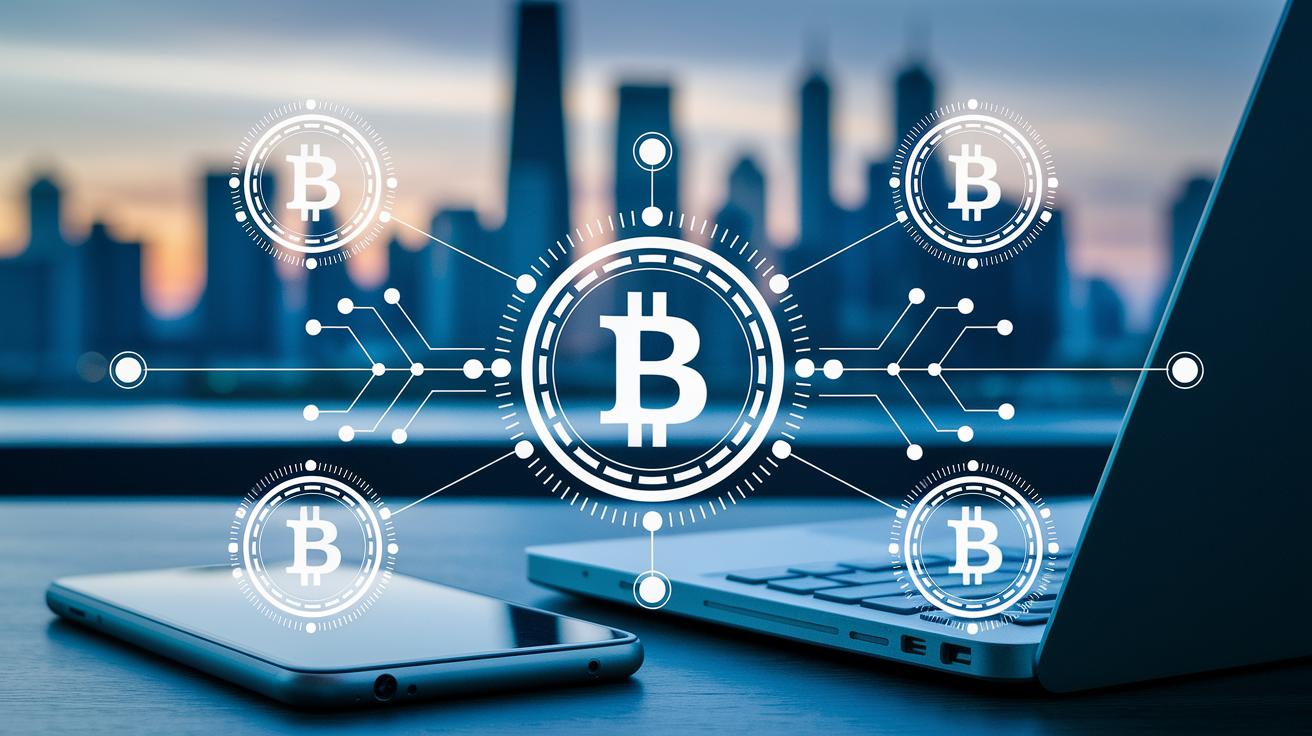
In 2025, the world of financial technology is about to change in big ways. Picture this: everyday tools like blockchain are being used to make your digital money safer and simpler. New, tougher rules are encouraging companies to work smarter when it comes to keeping your data safe and protecting your rights. And guess what? Smart, computer-driven tools are speeding up tasks, cutting down on mistakes, and saving time. Plus, services like Open Banking are becoming even more connected, which means banking and payments will come closer to you.
Next, think about quantum computing. It might sound like science fiction, but banks like JPMorgan, Goldman Sachs, and HSBC are starting to test it. They want to use its power to look at risks and help them make better choices with money. We might see this technology fully come to life by 2026, opening doors to smarter financial plans.
At the same time, making the system strong and steady is a big priority. With the world constantly changing and crossing borders becoming trickier, both governments and businesses are simplifying payment methods and updating rules. This work will help keep money flowing safely even when the market takes a turn.
| Year | Trend | Impact |
|---|---|---|
| 2025 | Blockchain, tougher rules, smart automation, expanded Open Banking | Better security and smoother operations |
| 2026 | Quantum computing in finance | Sharper risk tools and smarter portfolios |
| 2027 | Simpler cross-border payments and updated rules | Steadier global finance even in tough times |
Final Words
In the action, we saw how the fintech trends shape our financial future. The article covered topics like market scale, AI-powered solutions, blockchain's role, embedded finance, regulatory changes, enhanced user experiences, robust cybersecurity, and data protection. We also explored forecasts and real-life examples that bring clarity and simplicity to complex ideas. This snapshot of fintech trends reminds us that financial progress can be straightforward and achievable. Keep embracing innovation and smart financial tools, and watch your growth steadily take flight.
FAQ
What are the fintech trends highlighted by McKinsey?
The fintech trends McKinsey report reviews key market shifts such as automation, digital integration in finance, and emerging technologies that are quickening innovation and shaping the industry.
What are the top fintech trends for 2025?
The top fintech trends for 2025 include open banking (BaaS), embedded finance, IoT, AI/ML, neobanking, BNPL, P2P lending, biometrics, gamification, and Regtech, all driving market growth and innovation.
Where can I find a fintech trends PDF?
Fintech trends PDFs are produced by research firms and industry experts; they compile market data, growth projections, and emerging themes to offer a detailed snapshot of the evolving digital finance landscape.
How do global fintech trends impact market projections?
Global fintech trends contribute to a market projected at $305 billion by 2025, with innovations like AI, blockchain, and regulatory shifts fostering competitive growth across regions and attracting international investments.
What distinguishes the fintech trends forecast for 2026?
The fintech trends forecast for 2026 build on growth in AI and blockchain integration, enhanced payment solutions, and tighter regulatory oversight, helping shape risk management and secure digital transactions.
How is AI used in fintech trends?
AI in fintech trends is employed to automate complex tasks, improve predictive analytics for personalized services, and manage risk—streamlining operations and enhancing customer experience in a fast-paced market.
What are the recent developments in fintech?
Recent developments in fintech involve the rise of embedded finance, tokenized assets, AI-driven customer journeys, and updated regulatory frameworks that work together to reshape modern financial services.