

Have you ever noticed that your credit score seems frozen? Think of it like following a recipe, you just need the right mix. Paying your bills on time, keeping your credit use low, and keeping older accounts active are like the secret ingredients. These simple steps can boost your trust with lenders and help build a steady financial base. Today, you'll discover practical ways to make everyday actions count, setting you on the path to a brighter future.
Essential Tips for Increasing Your Credit Score
Your credit score is built on five main parts: payment history (35%), credit utilization (30%), length of credit history (15%), credit mix (10%), and new credit (10%). Knowing these pieces helps you focus on what really matters. It’s like knowing the ingredients before you bake a cake. Check your score monthly with free tools, and you’ll see the little wins add up. For extra budgeting tips, have a look at advice on budgeting at how to budget money.
-
Pay all bills on time
Make it a habit to pay your bills when they’re due. Set up automatic payments or mark your calendar so you never miss a date. -
Keep utilization below 30%
Keep your balance low compared to your total credit. Paying off your bills early or multiple times a month can help. If you earn more, asking for a credit-line increase might be a good idea. -
Dispute report errors
Take some time to review your credit report. If you spot any mistakes, challenge them right away. Errors can drag your score down without you knowing. -
Maintain older accounts
Don’t rush to close old credit lines. Keeping those long-standing accounts open can help your credit history shine. -
Diversify credit types
Try mixing different kinds of credit, like a revolving credit card with an installment loan. This balance can play a big part in lifting your score. -
Limit new inquiries
Avoid applying for too many new accounts in a short time. Each hard inquiry might lower your score, so pick your moments wisely.
Sticking to these habits by regularly checking your credit report and staying on top of payments will help build a strong credit foundation. Over time, these steady moves can make a big difference in your financial future.
Mastering On-Time Payments to Increase Credit Score
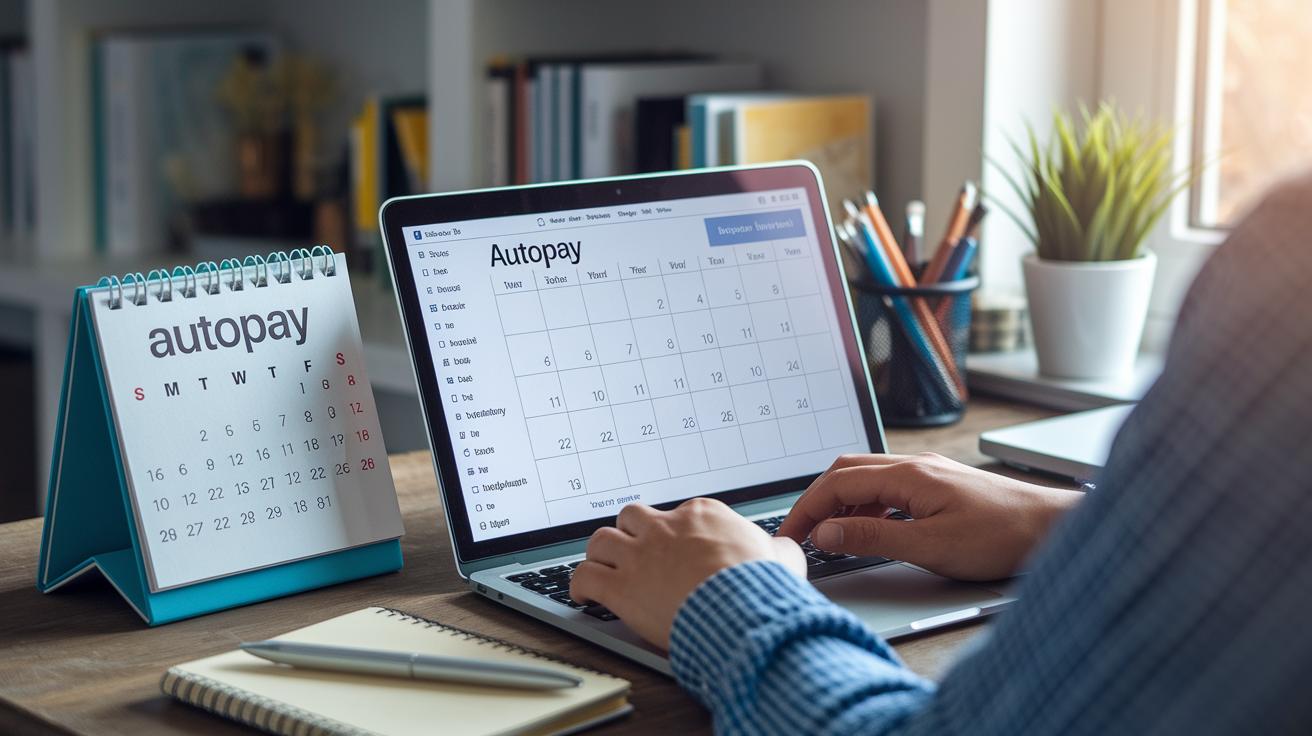
Your payment history makes up 35% of your FICO Score. When you pay on time, your score gets a boost and lenders see you as trustworthy. Keeping a steady record of on-time payments sets you up for long-term financial success.
-
Enable autopay
Set up your account so that either the minimum amount or your full balance is automatically paid on the due date. For example, you can say, "I activated autopay for my card, and now I never miss a due date." -
Align due dates with paychecks
Try to change your bill due dates to just after you get paid. A friend of mine mentioned, "I switched my utility bill to a few days after payday, and it really helped my cash flow." -
Set up digital reminders
Use your phone or computer to set alerts a few days before each bill is due. One person shared, "I set a reminder 48 hours before every bill, and it keeps me on track." -
Use extra income to pay bills
When you get a bonus or refund, consider using that extra money to pay bills early. Someone said, "I used my year-end bonus to clear some bills ahead of time." -
Check your payments
After paying, look over your account statements to be sure your payment went through. Like one person noted, "A quick glance at my online statement confirmed my bill was paid, so I didn't worry about missing anything."
Using these steps consistently can help you build a solid credit history and raise your overall credit score.
Optimizing Credit Utilization for a Higher Credit Score
Your credit utilization ratio is simply the slice of your total available credit that you spend. Lenders watch this number closely because it plays a big role in shaping your credit score. Experts suggest keeping it under 30%, but if you can aim for under 10%, you might see improvements even faster. Paying off some of your balance before your statement closes means a lower amount gets reported, which can boost your score. And by making several small payments during the month or asking for a higher credit limit when your income goes up, you can keep your utilization low without piling on new debt.
Here are some friendly ideas to try:
- Set up payments before your statement’s cutoff date.
- Spread larger balances over more than one card.
- Ask your bank for a credit line increase.
- Consider consolidating debt with a balance transfer.
- Keep several low balances rather than one high balance.
- Avoid fully maxing out any cards.
Take a moment each month to check your credit utilization. Seeing how your spending habits change can help you tweak your routine and stay on track. With these simple tips, you can manage your revolving balances better and build a solid foundation for a higher credit score. Keep an eye on those numbers and adjust as needed to keep your credit profile healthy and strong.
Correcting Credit Report Errors to Boost Your Credit Score

Taking a good look at your credit reports from Equifax, Experian, and TransUnion is a smart first move. You can grab a free report from each bureau every year, so use that chance to search for any errors. Imagine checking for things like a missed payment that never happened or a balance that doesn’t add up. Even if some items like rent or utility bills might help in some scoring models, any wrong negative details need fixing right away to keep your credit strong.
| Bureau | Method | Typical Resolution Time |
|---|---|---|
| Equifax | Mail or Online | 30 Days |
| Experian | Mail or Online | 30 Days |
| TransUnion | Mail or Online | 30 Days |
Once you send in your dispute with any proof you have, remember to check in often until the mistakes disappear from your report. One reader mentioned, "I checked my report every month until the mistake was cleared, and it really boosted my confidence." Keeping on top of this process makes sure that any errors are cleared up, helping you slowly raise your credit score.
Strategic Use of Credit Accounts for Increasing Your Credit Score
A credit mix is like having a variety of tools in your financial toolbox. It means owning different types of credit accounts, such as revolving credit (like credit cards, which let you borrow repeatedly) and installment loans (like auto or mortgage loans, where you pay back a set amount regularly). This mix accounts for 10% of your FICO score and shows lenders you can manage various kinds of borrowing.
Diversify Your Credit Mix
Having different types of accounts can really boost your score. If you only rely on revolving credit, consider adding an installment loan. For example, one friend once mentioned that getting a small personal loan alongside their credit card made a big difference. It helped show that you can juggle multiple types of debt responsibly.
Become an Authorized User
Another neat trick is to become an authorized user on someone else’s well-managed credit account. When this happens, you get the benefit of their solid payment history, which can give your own credit a nice boost. One person shared that being added as an authorized user gave them the credit history they needed to secure better rates.
Leverage Balance Transfers
If you're looking to manage high-interest debt, balance transfers to a card with 0% APR could be your friend. This method lets you combine your debt and lower the amount you owe relative to your available credit, something known as your credit utilization ratio. One user noted that transferring their balance not only cut down on interest costs but also helped reduce their credit utilization significantly.
Remember to avoid taking on new debt while you use these strategies, and try not to trigger extra hard inquiries on your credit report, which might lower your score.
Monitoring and Maintaining Credit for Long-Term Score Improvement

Keeping track of your credit is a lot like checking your heartbeat, it shows you how your money is doing. When you look at your score with free tools each month, you can see your progress clearly. Quick alerts notify you if anything strange happens, letting you fix small problems before they become big ones. And using simple money management tools can guide you as you make smart changes along the way.
- Sign up for free score alerts
- Use credit-monitoring apps
- Set quarterly check-in dates
- Review bureau reports annually
- Adjust budgets based on trends
If your credit score stalls or slips, it might be time to rethink your spending and payment habits. Even small tweaks, like balancing your budget or adjusting your payment dates, can really add up over time. This hands-on approach keeps you in charge of your financial health and ready to make any needed changes.
Final Words
In action, we covered how your credit score works, payment history, credit utilization, mix, length, and new credit all play important roles.
- Pay bills on time.
- Keep balances low.
- Dispute report errors.
- Maintain older accounts.
- Diversify credit types.
- Limit new inquiries.
Small, steady habits can make a big difference. Use these tips for increasing credit score and enjoy the rewards of lasting financial strength.
FAQ
What are some tips for increasing my credit score fast or quickly?
Increasing your credit score fast means paying bills promptly, keeping your credit usage low, fixing any report errors, and using free score tools to monitor your progress regularly.
How can I raise my credit score by 100 or 200 points in 30 days?
Raising your score by 100 or 200 points in 30 days calls for strict on-time payments, minimizing credit balances, disputing report errors, and limiting new credit applications for a focused improvement.
What increases credit score fastest?
Boosting your credit score quickly centers on making on-time payments, reducing outstanding balances, and promptly correcting any report mistakes while monitoring your score with free alerts.
What is the 2 2 2 credit rule?
The 2 2 2 credit rule suggests reviewing two credit reports, checking two key score factors, and ensuring at least two account payments are made on time to help support a solid credit profile.
How do credit tools like Credit Karma, Experian, and AnnualCreditReport.com help improve my score?
Credit tools such as Credit Karma, Experian, and AnnualCreditReport.com let you track your score, spot and correct errors, and guide you in managing your credit report for steady score improvement.
How can I get a 700 credit score in 6 months?
Earning a 700 credit score in six months involves consistent on-time payments, keeping low credit utilization, fixing inaccuracies on your report, and managing different types of credit with steady budgeting.