

Have you ever thought that the way the market moves might be hinting at better days ahead?
The stock market shows growth through small shifts every day. It’s a bit like a river that sometimes speeds up and sometimes flows quietly.
By watching these changes, you can see how past moves might guide what comes next. This simple idea can help you make decisions with a little more confidence, no matter what surprises the day brings.
Stock Market Trends: Bright Outlook Today
The stock market is a bit like a winding river, full of ups and downs over days, months, and even years. These trends tell us stories of big booms and gentle declines that help everyone see the full picture. Think of a chart as a simple picture showing times of rapid growth followed by slower, steadier progress. When you understand these shifts, you're better prepared to make smart decisions.
Every day, small changes and big global events mix together to create the market's unique pulse. Daily reports show us these little shifts, and together with news from around the world, they give a clear view of how investors feel and act. This insight can help you adjust your own planning and strategy as needed.
Looking back at history can feel like flipping through an old photo album that reveals hidden patterns. For example, the interactive DJIA chart covers the last 100 years, showing the month-end closing values adjusted for the headline CPI (that’s a way to measure inflation). This long view highlights both long-term growth and natural market cycles, which can be really useful for current decisions. Tools from technical analysis help you see how past trends compare with today's movements, and hourly updates for the current month make sure you never miss even the tiniest change.
| Metric | Value |
|---|---|
| Time span | 100 years |
| Inflation-adjusted CAGR | Calculated using headline CPI |
| Data points | Month-end closing values |
| Update frequency | Hourly (current month) |
Key Technical Chart Patterns Driving Stock Market Trends
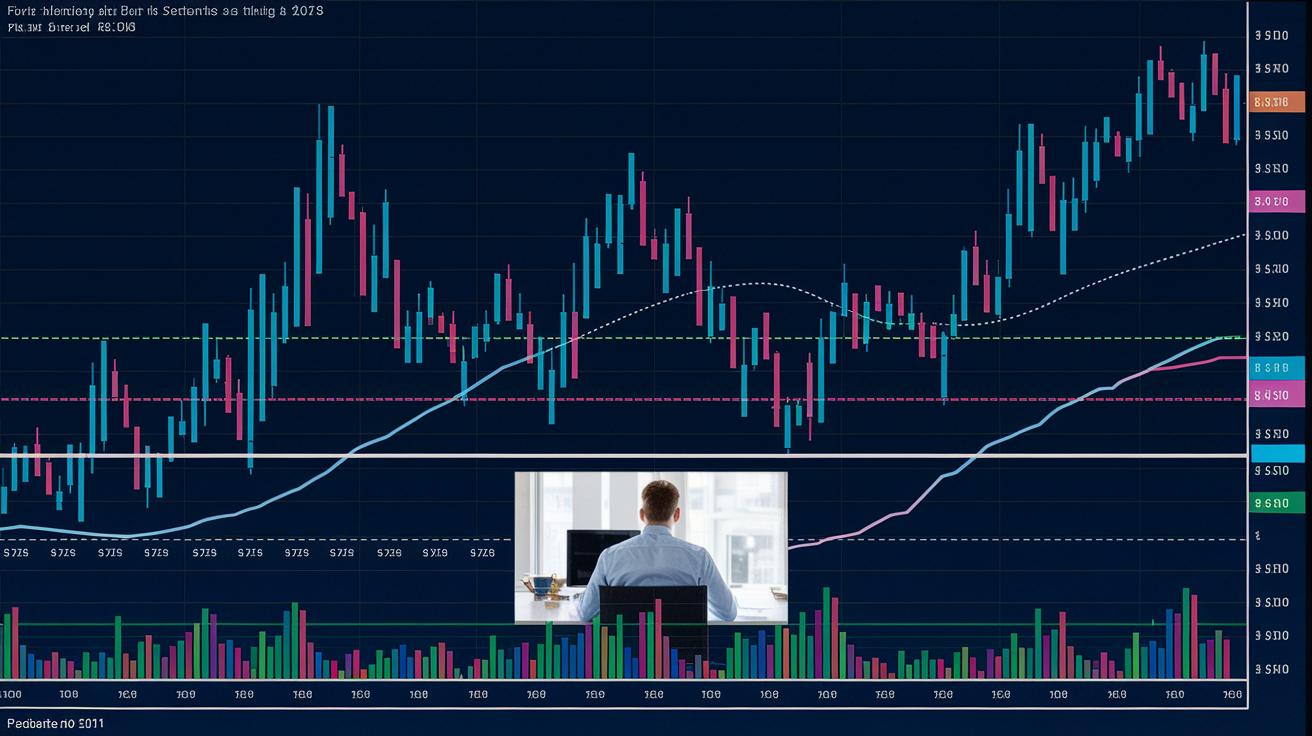
Chart patterns are like road signs in the stock market. They show you when things might be picking up or slowing down. This helps you decide the best time to act with your money.
Moving Averages and Trend Lines
Moving averages and trend lines are great for spotting where the market is heading. A simple moving average smooths out past prices, giving you a clearer picture, while an exponential moving average pays more attention to what’s happening right now. For instance, if a stock’s price climbs above its average, it can be a hint that things are about to change, kind of like a ship shifting its course when it picks up a fresh breeze.
Relative Strength Index (RSI)
RSI is a tool that checks how fast and how much prices change. When RSI goes above 70, it suggests the market might be overbought, and when it drops below 30, it hints that the market could be oversold and due for a rebound. Think of it as a traffic light; a high reading is like a red light that tells you to slow down, just as a car stops at an intersection.
Bollinger Bands
Bollinger Bands create a flexible envelope around price data. When the bands widen, it means the market might be getting more volatile and could break out soon. Conversely, when they squeeze together, the market might be taking a breather before a change. It’s a bit like a spring that tightens up before it finally lets go of its stored energy.
MACD (Moving Average Convergence Divergence)
MACD is another tool that uses two moving averages to figure out shifts in market momentum. When the MACD line crosses over the signal line and the bars (or histogram) change, it acts as a friendly alert that a trend might be turning. Imagine feeling a sudden shift in the wind while sailing, nudging you to change direction.
Together, these signals help you get a better sense of how the market is moving and can guide your investment choices with a bit more confidence.
Economic Indicators Shaping Stock Market Trends
When economic signals come together, they shape how stocks move. We often chat about how different factors can change how investors feel and how the market behaves.
Interest Rates and Central Bank Policy
When the Fed changes interest rates, it feels like a ripple in a pond. These rate changes affect the cost of borrowing money, which in turn influences both business investments and how consumers spend. Even a small rise in rates might slow down fast growth, and a flat yield curve can suggest that future earnings may be more cautious.
Currency Movements and U.S. Dollar Trends
Money values can change quickly, and that really matters for companies that work internationally. For example, the U.S. dollar dropped by over 10% in the first half of 2025 and might fall further into early 2026 before bouncing back in the second quarter. A softer dollar can make American products more appealing overseas, but it might also drive up costs for important imported supplies.
Inflation Measures (CPI) and Market Response
The Consumer Price Index, or CPI, gives us a quick look at how prices change in our economy. When inflation goes up, the true gain from investments can shrink. This often leads investors to switch from fast-growing stocks to those that offer steady dividends. In simple terms, when prices rise, many prefer the stability of regular income from their stocks.
Fixed-Income Markets and Credit Signals
Today, central banks aren’t just focusing on inflation, they’re also trying to keep the whole economy balanced. Changes in bond yields, shifts in credit spreads, and a boost in tech financing all provide hints about credit health. These signals help investors understand how secure their returns might be and can lift overall market confidence.
Taken together, all these factors create a big, detailed picture. Interest rates and currency changes tell us about costs and global competition, while inflation readings and bond moves show us the real returns on investments and the strength of credit. When you look at them all at once, you get a clearer view of how our market really works.
Forecasting Future Stock Market Trends
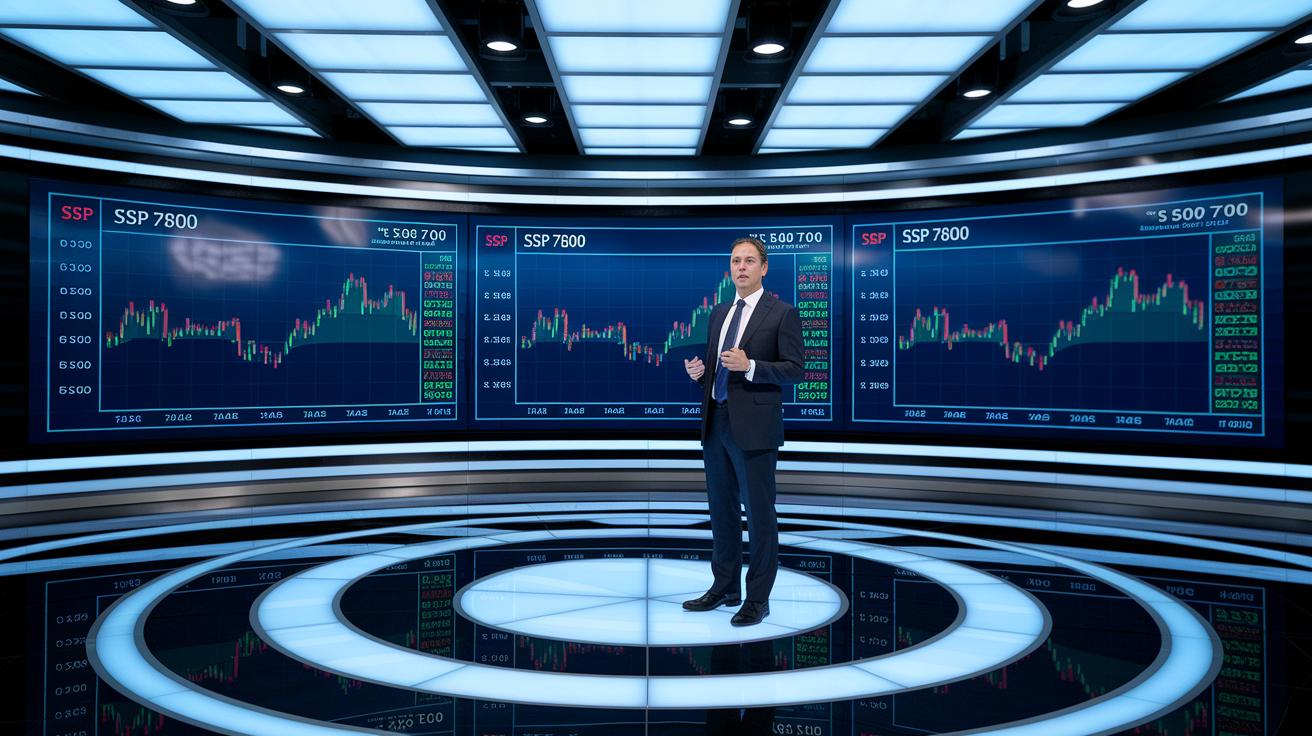
Forecasts help us get ready for changes in the market. They let us plan how our money can grow while being mindful of potential risks. These aren’t just guesses. Instead, they come from studying past trends and observing current market signals. That careful work gives investors a bit of peace-of-mind when looking ahead.
They also offer a snapshot of where U.S. stocks might be headed. For example, experts now expect the S&P 500 to climb to 7,800, a gain of around 14% over the next year. Similar estimates for Japan’s TOPIX (around 7%) and MSCI Europe (roughly 4%) help us see the differences in performance and set realistic goals.
- Looking back at past market cycles hints at what might happen next.
- Scenario planning helps us imagine and prepare for different outcomes.
- Quantitative modeling uses numbers and charts to predict trends.
- Analyst consensus is when several experts agree on what they see.
- Technical momentum signals catch small shifts in market activity.
Each of these methods works together like pieces of a puzzle. They build a clearer view of the market’s future and add confidence to our long-term financial plans.
Sentiment and Behavioral Drivers in Stock Market Trends
When we talk about market moods, we mean how investors feel about their money. Tools like the put/call ratio (which compares bets on falling prices to bets on rising ones), investor surveys, and even online chatter give us a peek into whether people are excited or cautious. Think of these tools as a friendly thermometer that checks the overall vibe of the market.
Imagine a day when a company releases earnings that take everyone by surprise. Suddenly, the chatter on social media turns gloomy, and many traders start buying put options, a way to protect themselves if things go south. On the flip side, when good news fills our feeds and conversations, investors tend to let their guard down, making bolder, riskier moves. It’s like when your mood changes from grumpy to happy; our financial decisions can shift just as easily.
Lately, many signs point to a growing sense of hope among shareholders, even if a bit of uncertainty still hangs around. Analysts use tools that look at trends in market sentiment by crunching numbers from surveys and trading actions. When more folks show signs of confidence, fewer protective bets and a more bullish outlook, it usually means the market might get a boost from these collective feelings. Isn’t it interesting how our emotions can sometimes steer the financial ship more than raw numbers?
Investor Strategies for Navigating Stock Market Trends

Investors today have a cool opportunity to shape their portfolios to line up with market trends. It’s all about making sure your money stays safe while still being on the lookout for new opportunities. Think of it like adjusting your sails when the wind changes, you want to keep moving forward, no matter what.
One smart move is to manage your risks carefully. This means setting limits on how much you’re willing to lose on a trade and having backup plans ready. For example, using stop-loss orders works like a safety net if prices suddenly drop. And by mixing different types of assets, you can lessen the blow when the market takes an unexpected turn. This creates a steadier path, even on bumpy days.
Another approach is sector rotation. As the market shifts, some parts of the economy may shine a bit brighter than others. You can try moving your investments between areas like tech, consumer goods, or energy to stay ahead. It’s a bit like rearranging your game pieces to counter your opponent’s moves, keeping your portfolio in top shape.
A third helpful strategy is diversification. This simply means spreading your investments across various assets, different industries, and even regions so you’re not putting all your eggs in one basket. This way, if one area experiences a downturn, other parts can help balance things out. Looking ahead to long-term growth, this method works well for steady planning.
Together, these strategies, managing risk, rotating sectors, and diversifying, help you stay in tune with market ups and downs. When your plan adapts to how the market moves, you build a portfolio that is both flexible and ready for whatever comes next.
Final Words
In the action, we broke down recent market movements, technical chart patterns, key economic indicators, future forecasts, and the role of investor sentiment. Each section highlighted how data, emotion, and smart strategies come together to shape market behavior.
Our discussion showed that staying informed about stock market trends can make budgeting and investing feel less overwhelming and more empowering. Emerging insights promise a brighter outlook as you build a stronger financial future.
FAQ
What is the current trend of the stock market and how can I view live updates?
The current trend of the stock market is shown on live charts and graphs that update in real time. These tools help you quickly see market movements and get a clear picture of today’s activity.
Are stocks going up or down right now, and how can I see different time frames?
The ups and downs in stocks can be seen through live updates and historical graphs, from daily views to the graph of the last 5 years, offering a broad perspective on market shifts.
Should I take my money out of the stock market right now?
The decision to pull money out depends on your personal goals and risk comfort. It helps to review your long-term plan and speak with a trusted advisor before making any moves.
What is the 7% rule in stocks?
The 7% rule in stocks is a guideline suggesting that, on average, long-term stock investments may grow about 7% per year, showing gradual but steady performance.