

Ever wondered if rising market trends are more than just luck? The way the market moves can really shape how you decide to spend or save your money.
When you see a strong upward push, a bullish surge, it feels like a wave of hope that makes you want to jump in and buy. But then, when the market dips, a bearish slide, it’s a gentle reminder to slow down and be more careful with your cash.
Today, let's chat about these market moods and see how a little spark of optimism can lead to smarter investing choices.
Essential Characteristics of Bull and Bear Market Trends
Bull markets show up when stock prices jump at least 20% from their recent lows and hold steady for over two months. This steady climb is often a result of a strong economy and an upbeat mood among investors. People feel confident, and that contagious optimism pushes prices higher, kind of like a bull lifting its horns. For instance, when the economy is growing, you can feel a burst of excitement in the market that makes everyone eager to buy.
On the other hand, bear markets occur when stocks drop 20% from their highest point. In these periods, prices fall, portfolios shrink, and a sense of caution (or even gloom) takes over. Think of it as the bear’s swipe downward. This drop tells us the market is pulling back from overvalued highs. When this happens, many investors start to worry and become more careful with their money. Analysts even look at something called market sentiment trends analysis to show just how closely our moods can follow these price changes.
The names “bull” and “bear” come from how these animals act in nature, a bull drives its horns up, while a bear swipes down with its paws. This simple image helps us understand how emotions, whether hopeful or scared, can lift or drag down the market.
Ever wondered how the same market can create wealth one minute and bring losses the next? Knowing these clear signals can help you decide when to be cautious or when to enjoy a rising tide.
Key Indicators for Identifying Bull and Bear Phases in Market Trends

Let’s talk about easy signs to spot if the market feels upbeat or a bit down. One great way to know is by using technical analysis. For example, the Relative Strength Index (RSI) is a handy tool that shows if the market might be too high (above 70) or too low (below 30). When it’s above 70, it often means the market is overbought, typical of a bull phase. If it drops under 30, it could mean the market is oversold, hinting at a bear phase.
Another simple tool is the MACD histogram. When this line climbs above zero, it suggests a burst of bullish energy. Conversely, a dip below zero can indicate that bearish pressure is building up. Volume plays its part too. High volume on days when prices rise usually backs up a strong bull market, while light volume on falling days might signal a bear market in action.
Charts and basic oscillators make it easier to watch these shifts in momentum. For example, when prices break through the 200-day moving average, it often means that trend is getting tougher and more stable. On the flip side, falling below this line usually confirms that bearish sentiment is taking hold.
Below is an easy-to-read table that sums up the top five signals to watch for spotting bull versus bear phases.
| Indicator | Bull Signal | Bear Signal |
|---|---|---|
| RSI | >70 | <30 |
| MACD Histogram | Above zero | Below zero |
| Volume Advance Days | High volume | Low volume |
| 200-Day MA | Price above MA | Price below MA |
| Advance-Decline Line | Rising | Falling |
Bull and Bear Market Trends: Optimism Fuels Investing
Investing is a bit like riding waves. Imagine putting $100 into the S&P Composite Index 150 years ago. It shows a fascinating journey, full of ups and downs. Big crashes like 1929 and 2008 taught us that even when markets fall hard, they can bounce back with the magic of compounding (that’s when money grows a little more each period). Bull markets, where prices keep climbing, often go on for 5 to 10 years, driven by a strong sense of optimism. Bear markets, with falling prices, usually only last 1 or 2 years. Think of it like ocean waves, high and exciting at times, then gently dipping before rising again.
Secular Bull Runs vs. Secular Bear Contractions
When investors feel good, prices tend to rise for a long stretch. This is like opening a captivating new book that you just can’t put down, the excitement just keeps building. On the flip side, when caution sets in during a bear market, prices drop quickly. Even though the decline can feel unsettling at first, its short duration might actually open up neat opportunities if you’re ready to jump in when things turn around.
Demographic Influence on Secular Trends
Who is in the market can really change the scene. For example, when there are more people aged 65 and older compared to those in their 40s, it can gently steer long-term market trends. Similarly, shifts between younger groups (like 20- to 34-year-olds) and a bit older folks (35- to 49-year-olds) affect how fast optimism or caution spreads. Picture it like checking your coin jar and noticing a few extra coins, it hints at a slow and steady change happening underneath. These demographic trends can shape both the length and strength of the upcoming bull and bear periods.
Major Drivers behind Bull and Bear Market Trends

Bull markets happen when the economy is on a roll, companies are earning more, and interest rates are kept low. When loans are easier to get and costs drop, investors feel confident enough to buy more. Think of it like a neighborhood store that grows bigger after snagging a low-interest loan, it’s that kind of upbeat climate that drives a bull market.
Bear markets come into play when things take a tougher turn. They usually follow lean times or when banks start hiking up rates. Whether it’s a rate increase, a shock from global events, or a crisis in the system, these changes slowly chip away at investor confidence. Imagine a small town suddenly gripped by uncertainty after bad news hits, it’s that cautious feeling that gently pushes prices down.
Surveys that track how investors feel, like the AAII Bull-Bear Spread, tell us a lot about market moods. They show us that extreme cheer or deep worry is no accident, it follows the ups and downs of the economy and shifts in government policy. For example, when tighter rules step in, it can feel like a sudden cool breeze calming an overheated afternoon. That delicate dance between growth and caution helps us make sense of why markets behave the way they do.
Adaptive Strategies for Bull and Bear Market Trends
When the market is climbing, it can feel a bit like catching an exciting wave. In these upbeat times, sticking to a clear plan is key. Instead of following every tip that pops up, it’s smart to buy and hold your main investments. This way, you ride the upward push without making rash moves. You can also fine-tune your stops, those are the safety nets that help lock in profits as prices rise, and slowly add more to stocks that are doing well.
When things slow down, caution takes over. In these quieter market moments, you might even find a chance to grab good stocks at friendlier prices. A steady tactic like dollar-cost averaging, which means buying at different price levels, can help smooth out the ups and downs. It also helps to increase your share in cash or bonds for extra protection. Using tools like options or inverse ETFs (these are special tools used to guard against losses) adds another safety layer. Remember, even experts have only about a 48% hit rate with their forecasts, so trying to perfectly time the market can cost you more than you gain.
Here are some simple tactics to consider:
Bullet Market Strategies:
- Buy-and-hold your core investments
- Rotate into stocks that are gaining momentum
- Adjust stop-loss levels to secure gains
- Gradually add to top-performing stocks
Bear Market Strategies:
- Use dollar-cost averaging when investing new money
- Increase your mix of cash or bonds for safety
- Use hedges like options or inverse ETFs to manage risk
- Keep enough liquid funds available
- Look for good-quality stocks when prices drop
Taking it step by step can help you feel more confident during both bull and bear markets. It’s all about keeping your plans clear and staying cool, no matter how the market moves.
Early Signals and Transition Dynamics in Bull and Bear Market Trends
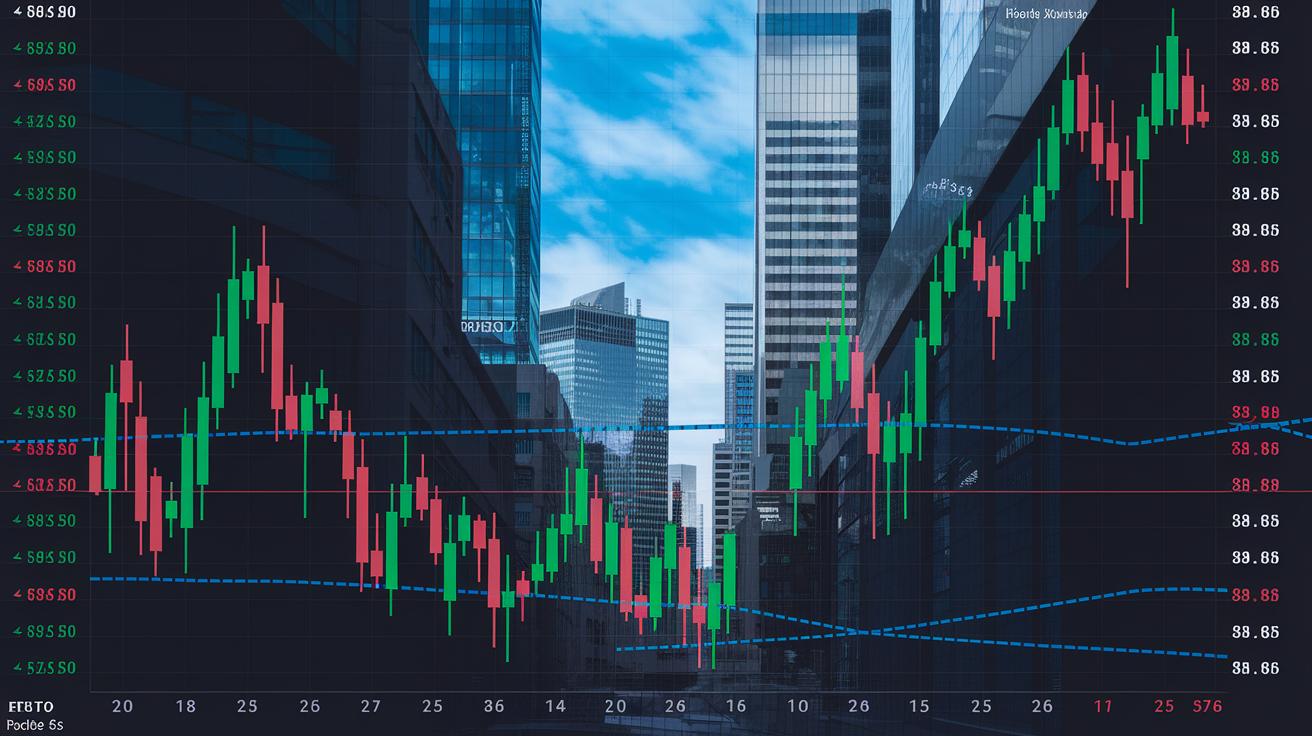
Market shifts don’t happen suddenly; they show up slowly with little hints along the way. You might notice that while most parts of the market sink, some parts, say, technology stocks, start gaining a bit of strength. This kind of early, local bounce can be a sign that hope is creeping back and might mark the first step from a bear market, where prices fall, to a bull market, where prices rise.
Sometimes, you’ll see extreme numbers on tools like the VIX, which is often called the fear gauge. This just means that investor worry might have peaked, and things could be ready to shift upward. And then there are those sudden moves in prices triggered by what we call short squeeze signals. Also, key economic measures, such as drops in the ISM PMI or yield curve changes (which tells us about the state of the economy), serve as clues that the economy might be starting to slow down, which can push the market deeper into a bearish phase.
Keeping an eye on these signals in real time is really helpful. When you notice these patterns, it lets you adjust your plans as the market mood changes. By watching both technical signals and economic data, you’ll be ready to act whether the market starts to dip cautiously or make a quick recovery.
Forecasting Future Bull and Bear Market Trends
Advanced forecasting techniques help us see where the market might be headed. They mix everyday economic numbers with tools like sentiment scores and common chart patterns, such as moving averages and head-and-shoulders. Think of it as putting together a puzzle, each piece of data shows a small part of the bigger picture of a rising or falling market.
Machine learning plays a big part by checking past market cycles for clues on timing trades. Imagine feeding historical numbers to a smart engine that picks up on hidden patterns. This blend of number crunching and simple chart-reading reveals small shifts that can signal bigger changes ahead.
But no method is perfect. Every model comes with a bit of uncertainty, so it’s wise to add in safety measures like calculated stops and a diversified portfolio. It’s like setting a weather vane that helps you adjust your sails when the wind changes.
Using these techniques means trusting the data while staying ready for surprises. By keeping an eye on both the numbers and the overall economic scene, you can adjust your approach as new signals appear.
Final Words
In the action, we explored how the steady climb and slump in stock prices reveal bull and bear market trends. We broke down key technical signs like RSI, MACD, and moving averages while examining cycles shaped by economic shifts. Our chat also looked at adaptive tactics from scaling into bullish runs to cushioning during downturns. This clear, hands-on guide turns complex ideas into everyday steps, helping you spot changes as they unfold and stay ahead in your financial path. Keep an eye on those bull and bear market trends and stay optimistic.
FAQ
What are the bull and bear market trends for 2025?
The bull and bear market trends for 2025 reflect shifts in investor mood and economic changes. Analysts expect market swings influenced by factors like growth rates, risk appetite, and global events.
Why is it called a bull and bear market?
The bull and bear market terms come from the way bulls and bears attack. Bulls push upward with force, and bears swipe down, which mirrors the upward or downward movement of stock prices.
Are we in a bull or bear market?
The current market phase depends on key signals like the 200-day moving average and volume trends. Some sectors show strong gains while others dip, indicating mixed conditions across the market.
What is the definition of bull and bear markets?
A bull market is defined by stocks rising 20% or more from recent lows, driven by positive sentiment. In a bear market, stocks drop by 20% from their peaks, reflecting widespread pessimism.
What are examples of bull and bear market trends and how are they shown in historical charts?
Historical charts show bull markets with periods of steady gains and bear markets marked by sharp 20% declines during crashes. These patterns help investors identify buying opportunities or cautionary signals in market cycles.
What is the 7% rule in stock trading?
The 7% rule in stock trading is a guideline suggesting that a drop of around 7% might signal a temporary correction. Some traders see it as a potential buying opportunity if the underlying company remains strong.
What’s the worst month for the stock market?
Historical data often point to September as the worst month for the stock market, with seasonal trends showing declines during this period, which many investors keep in mind when planning their moves.
Is it better to buy in a bull or bear market?
Buying in a bear market may offer lower prices and growth potential, while bull markets provide momentum. Investors should assess their risk tolerance and the underlying value before making decisions.