

Ever wondered if a small tweak could change how our government handles money? Think of budget reconciliation like updating your home budget so every dollar counts. This process, born in the mid-70s, lets Congress shift spending without the usual hurdles and has helped reshape big policies from health aid to tax breaks. In this chat, we'll show you how this money tool helps keep the nation’s checkbook in order and adds extra momentum when times get tough. Stick with us as we break down its role in today’s financial adjustments.
Budget Reconciliation: Boosting U.S. Fiscal Momentum
Budget reconciliation is like a handy tool Congress uses to balance the nation's checkbook. It was created back in 1974 with the Congressional Budget Act so that lawmakers can adjust spending rules quickly. Instead of needing a supermajority with 60 votes to pass changes, they only need a simple majority in the Senate.
This speedy process handles big-picture spending and revenue issues, not small projects. Imagine it like fine-tuning your family budget, where you adjust main expenses and income rather than splurging on extra treats.
In short, budget reconciliation helps keep government spending and income in line. When tough financial times hit, it lets Congress make important changes, like tweaking tax policies or adjusting mandatory programs, with ease.
Think of it as a tool that helps you rework your household budget by shifting a few key numbers. This simple change can make every dollar count, especially when the economy needs a boost.
Historical Evolution of Budget Reconciliation in U.S. Fiscal Policy
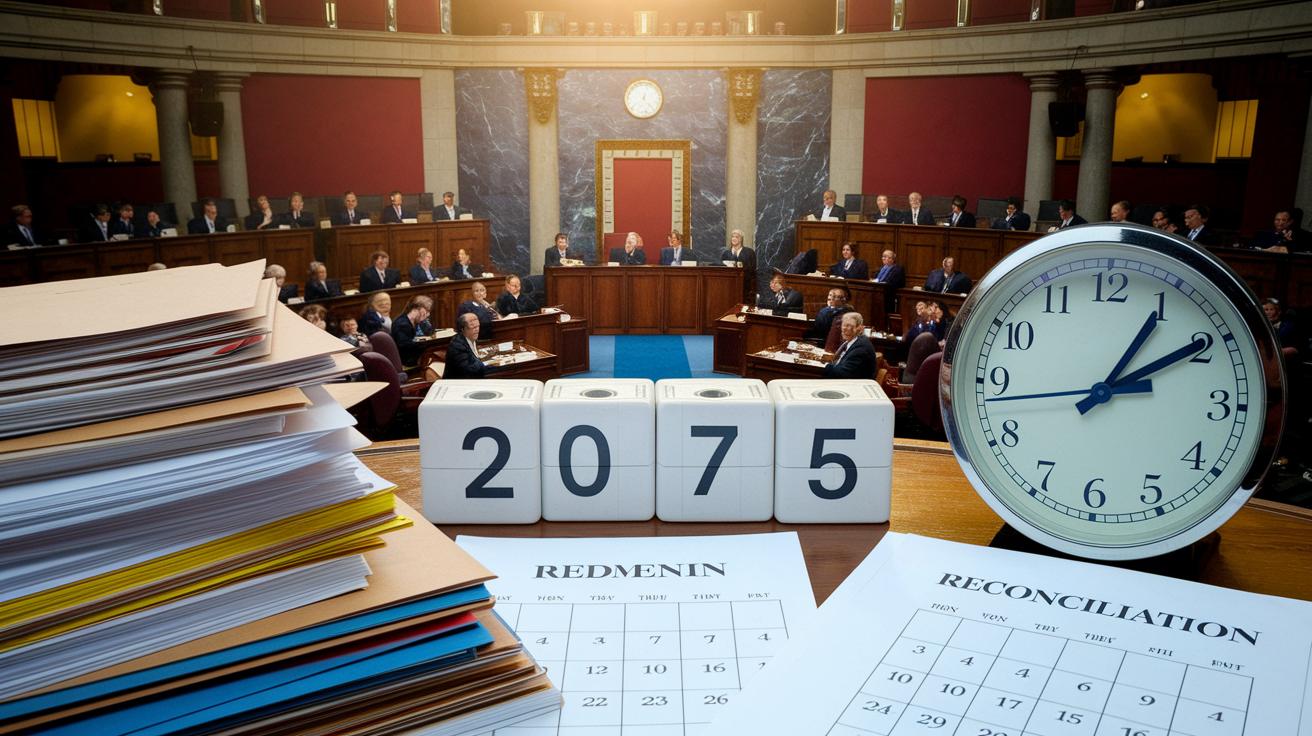
Back in 1975, after the Budget Act of 1974, budget reconciliation first made its appearance. Lawmakers needed a quick way to adjust spending and revenue, so this handy process was created. It let Congress manage money matters without having to wait for a supermajority in the Senate.
Over the years, this process showed it could drive big changes. Think about the Affordable Care Act in 2010, where parts of health funding were reshaped using reconciliation. And in 2017, the Tax Cuts and Jobs Act changed tax rules without getting stuck in long filibuster debates.
Fast-forward to 2021 and 2022. Both the American Rescue Plan and the Inflation Reduction Act used reconciliation to make wide-reaching changes in areas like health support and environmental policy. It’s like revising your weekly budget to quickly meet unexpected needs.
Imagine it like tweaking your family budget: small adjustments here and there can solve urgent issues while setting the stage for bigger shifts later on. For example, think of someone cutting unnecessary household expenses, much like how a national budget gets trimmed to hit clear financial goals.
Steps of the Budget Reconciliation Process
We start with a budget resolution, crafted by both the House and Senate Budget Committees. Think of it as drawing up a rough household budget that sets spending and revenue goals. It also contains clear instructions on what needs to change, like telling a team exactly where to tweak mandatory expenses or adjust revenue figures.
Next, expert committees get involved. These groups, such as the Senate Finance Committee or the House Energy & Commerce Committee when handling Medicaid issues, step in to write out detailed proposals. They review the instructions and turn them into practical suggestions, much like creating a simple checklist for fixing things around the home.
Then, the Budget Committees gather all these recommended changes and bundle them into one big reconciliation bill. This bill is sent back to both the House and Senate so lawmakers can discuss and suggest modifications. It’s a bit like a friendly group chat where everyone gets a chance to share their thoughts before finalizing the plan.
Finally, after any necessary amendments, the bill is put to a final vote and then sent to the president for a signature. This careful process ensures that every change is thoughtfully considered before it shapes the country’s financial rules.
Core Rules and Limitations Shaping Reconciliation Bills

The Byrd Rule is a big deal when it comes to making reconciliation bills. It works kind of like checking your household budget, if a change doesn’t actually bump up your spending or income, it gets dropped. Think of it like this: if you come up with a new recipe that doesn’t save you money at the grocery store, you simply don’t use it.
Reconciliation instructions need to clearly spell out which committees and topics are involved. They serve as a simple map that shows how changes in spending, revenue, or the overall federal deficit should work. For example, when a finance committee is asked to tweak healthcare spending, everything they suggest has to directly match that change, ensuring every idea links back to the budget.
If a proposal strays from these clear connections, it gets cut out of the discussion. Extra details that don’t really change spending or revenue are removed, just like you wouldn’t add a dish to your dinner party menu if it didn’t light up the meal.
Lawmakers also aren’t allowed to slip in topics that only cover policy ideas, like immigration enforcement, unless there’s a clear spending or revenue change too. Imagine trying to mix in a dessert recipe when you’re only talking about dinner costs, it just doesn’t fit. This strict focus helps keep the process squarely centered on managing the federal budget, so every change works toward balancing the books.
Budget Reconciliation vs. Traditional Appropriations
Traditional appropriations and reconciliation work in very different ways when it comes to handling the nation’s money. Appropriations bills fund yearly programs such as defense and education. They need a 60-vote approval in the Senate, kind of like planning a family dinner where every detail needs everyone’s agreement.
Reconciliation, on the other hand, focuses on must-pay expenses and revenue goals. It deals with the essential costs such as Social Security or basic tax rules. This process only needs a simple majority vote in the Senate, much like a few key family members agreeing to change a regular bill.
The timing also shows clear differences. Appropriations are linked to the fiscal year and must meet strict deadlines, like a recurring appointment you never miss. Meanwhile, reconciliation happens once each year during the budget cycle. This gives lawmakers one prime chance to adjust the nation’s essential financial plan.
In short, while appropriations handle routine, yearly spending with stricter vote rules, reconciliation is used for big, fixed expenses with more flexibility. It’s like comparing everyday decisions, such as buying groceries, to making major changes, like adjusting your home’s heating settings. These differences help shape the way the U.S. manages its finances.
Major Laws Enacted Through Budget Reconciliation

These rules bring unique twists to how our federal budget works. The Tax Cuts and Jobs Act cleaned up old tax rules, like sprucing up a room to make it livable, by rearranging tax rates to support growth.
Some parts of the Affordable Care Act made changes to Medicare and Medicaid. It’s like adjusting your household budget so you cover the must-haves without overspending.
The American Rescue Plan jumped in fast when people needed help. It sent out direct payments and changed tax credits to keep money moving smoothly, much like fixing a small leak before it becomes a major problem.
The Inflation Reduction Act offered specific updates by adding clean energy incentives and revising how drugs are priced. Imagine swapping out an old appliance for a new and efficient one.
| Bill | Main Focus |
|---|---|
| Tax Cuts and Jobs Act (2017) | Tax reform and streamlined rates |
| American Rescue Plan (2021) | Direct payments and tax credit adjustments |
| Inflation Reduction Act (2022) | Climate initiatives and prescription-drug reforms |
These legal tweaks show that budget reconciliation works like a quick financial tune-up. It fixes issues fast, keeping everything in smooth running order.
Future Outlook: 2025-26 Budget Reconciliation Proposals and Debates
This coming 2025-26 session, the 119th Congress is set to make big changes with two reconciliation bills. One bill looks to boost border security by adding funds for immigration detention, building a border wall, and giving more support to CBP and ICE. Imagine it like upgrading your home security system, making it tougher to keep everything safe.
The other bill is all about cutting taxes, but to pay for these cuts, it will reduce some public-assistance programs. Think of it as lowering your monthly bills by trading off some extra benefits you usually get. With a narrow Republican majority, lawmakers plan to skip the usual 60-vote rule and pass these ideas with just a simple majority in the Senate.
There’s also talk about cutting Medicaid funding as part of efforts to balance the budget, kind of like adjusting your family budget when unexpected costs come up. Lawmakers might trim some healthcare funds to make sure the numbers add up.
As debates continue on the floor, members will have plenty of chances to suggest changes. For example, a lawmaker might propose a small tweak to the tax cuts to ensure that healthcare spending stays protected. It’s like fine-tuning a recipe while you’re cooking, making sure every ingredient is just right.
Final Words
in the action, we explored how budget reconciliation sets the stage for aligning spending with revenue.
We broke down its fundamentals, traced its historical evolution, and explained each step in turning a proposal into law.
We also compared it with the typical appropriations process and highlighted notable laws shaped through this method.
Peeking into future proposals, we see smart fiscal moves on the horizon.
Keep this guide handy as you make informed decisions, and stay upbeat about the role of budget reconciliation in shaping financial success.
FAQ
Q: What is budget reconciliation, and what does reconciling a budget entail?
A: Budget reconciliation means aligning federal spending and revenue targets as set in a budget resolution. It adjusts mandatory spending and revenue measures to keep fiscal plans in balance.
Q: What is an example of a budget reconciliation?
A: A budget reconciliation example is the Tax Cuts and Jobs Act, which changed tax rules using the process. It shows how key fiscal proposals move forward with a simple majority vote.
Q: What is a budget reconciliation bill?
A: A budget reconciliation bill groups changes to federal spending and revenue into one proposal. Committees craft these changes under a budget resolution before the bill reaches the House and Senate for final votes.
Q: What do the Budget Reconciliation Act and its rules cover?
A: The act, set up in 1974, gives lawmakers a way to make budget adjustments strictly to spending or revenue. It uses rules, like the Byrd Rule, to cut unrelated provisions from bills.
Q: What are the differences between budget reconciliation and appropriations?
A: Budget reconciliation tweaks mandatory spending and revenue with a simple majority vote, while appropriations fund annual discretionary programs and need a 60-vote threshold in the Senate.
Q: What is budget reconciliation in business?
A: Budget reconciliation in business involves comparing planned spending to actual costs. This process helps companies adjust and keep their financial plans realistic and on track.
Q: What is the timeline for budget reconciliation?
A: The budget reconciliation timeline starts with a budget resolution, followed by committee recommendations and a reconciliation bill, which then moves through the House and Senate before becoming law.
Q: Has the budget reconciliation for 2025 been passed?
A: Budget reconciliation proposals for 2025 have not yet passed. Lawmakers plan to use this process for key policy items like border enforcement and tax adjustments in an upcoming fiscal cycle.