

Does it seem like your money vanishes every month? Budgeting isn’t about having less cash, it means putting every dollar to work. Think of each bill and coin like a puzzle piece that fits in just the right spot when you plan ahead. When you know where each cent is going, saving starts to feel as natural as setting a table, and the stress really begins to fade.
This simple guide takes you through easy steps to build a budget that works just for you. Ready to see your savings grow and your spending finally make sense?
How to Budget Money: A Step-by-Step Beginner Guide
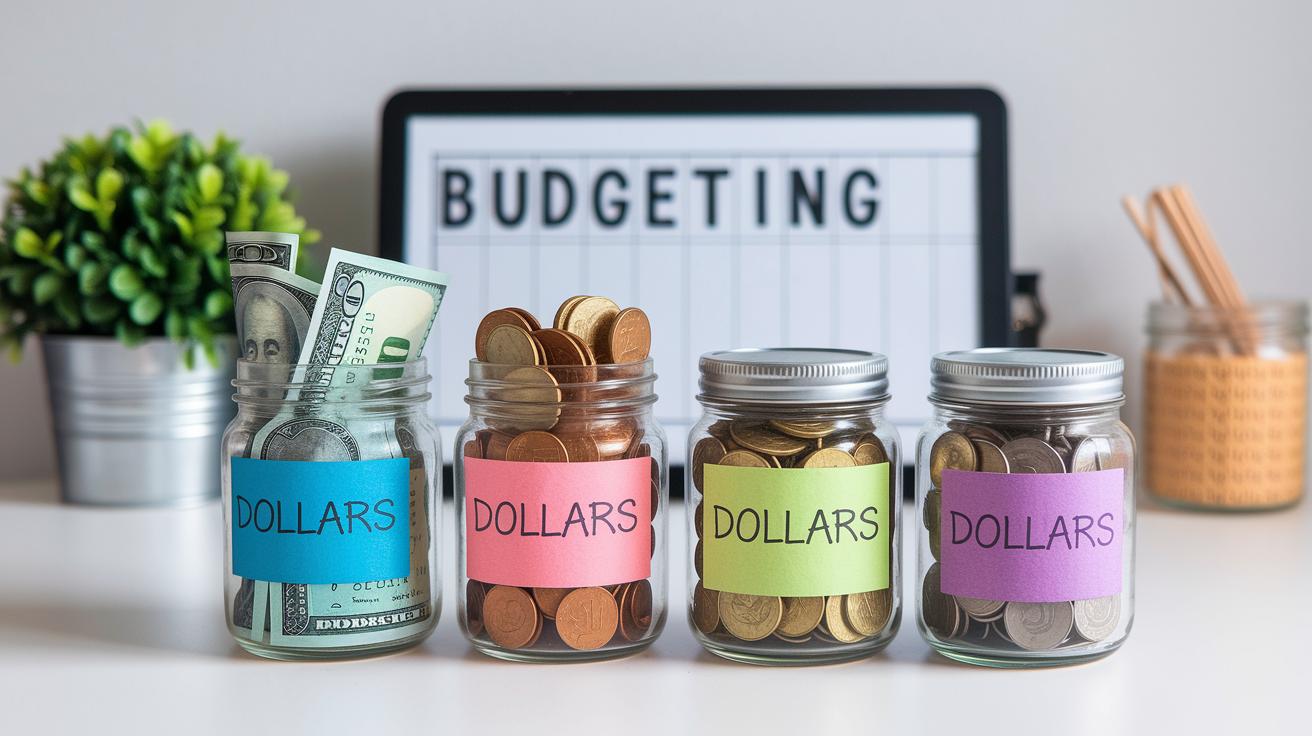
Zero-based budgeting means giving each dollar a clear task before the month starts. With this approach, your total income minus all your planned spending equals zero. Picture your money as a collection of puzzle pieces that all have their exact spot, nothing is left out. For example, if you earn $500, every cent is set aside for a purpose.
Assign each dollar a label, almost like sorting coins into well-marked jars so that you know exactly where everything goes. This simple method helps you track your spending and stops you from overspending. It builds confidence knowing that each expense has a planned spot.
- Write down all the money you earn.
- List every expense, big or small.
- Subtract your expenses from your income until you reach zero.
- Note every transaction during the month.
- Before the month ends, plan your budget for the next month.
When setting up your budget, start by grouping your spending into clear categories. First, cover your basics, often called "the Four Walls": food, utilities, shelter, and transportation. Then, try to set aside about 10% of your income for giving, this might be a donation, a charity, or even a small gift. That way, every dollar has a role, whether it’s for everyday needs or for causes close to your heart. This plan keeps your finances balanced and clear.
Popular Budgeting Methods for Money Management

Finding a budgeting method that fits you is all about knowing your money habits and what you want to achieve. Each approach gives you a different way to save and works with various lifestyles and income levels. They help you plan where every dollar goes. Even when your finances seem jumbled, these ideas make sure each dollar has a job. Want to dive deeper into managing your money? Check out financial management at https://mechgurus.com?p=687.
60/30/10 Budget: structure and use cases
This plan divides your income into three groups. Spend 60% on everyday needs like rent and groceries, use 30% on enjoying life, like dining out or hobbies, and save 10% for later. For example, if you earn $1,000, about $600 is for essentials. It’s a clear guide especially if costs are high or your income is tight.
Zero-Based Budget: assigning every dollar
In zero-based budgeting, every dollar you earn gets a job. Let’s say you earn $3,000. You decide exactly how much goes to rent, food, bills, savings, and a bit of fun. Nothing is left unplanned, so you can keep track of every cent.
Cash Envelope System: controlling spending
This method uses cash envelopes to keep spending in check. Before you start spending, you fill envelopes with cash for things like groceries or eating out. Since you can only use the money in each envelope, it really helps curb overspending.
Pay-Yourself-First Budget: prioritizing savings
With the pay-yourself-first method, you save money before spending on other things. For example, each time you get paid, you might immediately put $300 into a retirement account or $100 into your emergency fund. This way, you boost your savings without any extra effort.
| Method | Allocation | Best For |
|---|---|---|
| 60/30/10 Budget | 60% necessities, 30% lifestyle, 10% savings | High cost living or tight budgets |
| Zero-Based Budget | Every dollar assigned a specific job | Those who want clear tracking |
| Cash Envelope System | Cash in designated envelopes | People looking to control impulse spending |
| Pay-Yourself-First Budget | Savings come first | Anyone who wants saving to be automatic |
Tracking Income and Expenses for a Better Budget

Digital tools and apps are fantastic helpers when it comes to keeping track of every dollar. They let you see exactly where your money goes and sometimes even uncover extra savings, imagine finding an extra $3,015 in just 15 minutes! With a personal expense tracker on your phone, you get up-to-the-minute updates on your spending. This makes organizing your monthly money feel simple and puts you in charge.
Sometimes a hands-on approach feels best. Try using an envelope system for areas where your spending might change, like groceries or fun outings. Pair that with a budget calculator using common averages, and you turn confusing numbers into clear spending limits. This way, you create practical targets that really work for you.
Building custom expense categories rounds out the plan. Set up specific groups for one-time costs like celebrations, repairs, or seasonal bills. Keeping these parts separate helps you spot trends and fine-tune your plan as needed. A regular monthly review lets you catch surprises early and adjust your budget so that every dollar truly supports your needs.
Setting and Prioritizing Financial Goals in Your Budget

When you have a bit more money coming in than going out, it's a great idea to use that extra cash for your goals. Maybe you want to grow your emergency fund, pay down some debt, or even set aside money for that well-earned vacation. Think of each extra dollar as a little boost that builds a more secure future. This is straightforward, smart money management.
But if you notice your spending is outpacing your income, it's time to tighten up on non-essential expenses. Consider cutting back on dining out or canceling subscriptions that aren't crucial until you get your budget back in balance. A no-spend challenge can be a fun and effective way to pause on extra buys and help restore your financial order.
To keep things on track, try checking your spending regularly. For example, comparing store-brand items with name-brand ones could help you save around 8–9% on everyday purchases. Using a savings calculator or app to monitor your progress makes it easier to adjust your plan as needed. Every little tweak helps ensure that every dollar works hard to bring you closer to your financial dreams.
How to Budget Money on a Limited Income

When money is tight, you can tweak common rules like the 60/30/10 plan to fit your needs. If saving 10% seems too steep, shift your percentages so that your must-pay bills and essential costs come first. For instance, if you bring home $3000 a month, you might choose to spend more on necessities and cut back on extras.
Zero-based budgeting (where every dollar is given a job) and the cash envelope system (using envelopes to keep track of spending for things like groceries or bills) really work when every cent counts. They help make sure that nothing goes to waste.
For low-income situations, consider tapping into local community resources and simple ways to trim expenses. Planning meals with store brands and pausing non-critical subscriptions can stretch a tight budget. One reader even joined forces with neighbors to buy bulk staples from a nearby market, saving money while still enjoying nutritious meals.
Tools and Templates to Organize Your Budget

Budget calculators are a great way to start getting a handle on your money. They use common averages for things like rent, food, and transportation so you know what most people spend on everyday costs. You simply enter your take-home pay and see how your expenses stack up. It’s like getting a quick snapshot of where your money might be going without any hassle.
Starter templates take it one step further by filling in categories for you based on your monthly income. Many follow the 50/30/20 rule, splitting your income into needs, wants, and savings (that’s a simple way to think about balancing bills, fun, and future money). For example, you type in your net salary, and the template immediately shows you how much should go toward essentials, leisure, and saving. It’s a handy tool to keep your finances balanced right from the start.
If you like a DIY approach, try using a spreadsheet in Excel or Google Sheets. These models let you design your own system tailored to your spending habits, which is especially useful when expenses change from month to month. You can even combine this with digital spending trackers for live updates. Whether you prefer the flexibility of a spreadsheet or the convenience of an app, each option has its own strengths to help you keep a close eye on your money.
Best Practices for Reviewing and Refining Your Budget

Every month, take a close look at your spending. Compare what you planned to spend with what actually left your wallet. This simple step shows you where your money went off track. For example, if you notice you spent too much on dining out, jot it down and plan to cut back next month.
Talking with a financial advisor can be a game changer. They offer friendly, personalized tips and keep you accountable. A quick chat might uncover a small tweak that makes a huge difference in your overall plan.
Keep a record of your wins, no matter how small. Whether you paid off a debt or hit a savings goal, celebrate it! These little successes help build your confidence and remind you that every bit of progress really counts.
It’s a good idea to update your budget every few months. When your income shifts or new expenses pop up, tweaking your plan keeps it fresh and useful. This way, your budget stays in tune with your real-life needs.
Final Words
In the action, you explored simple steps to manage income and track expenses while testing out a zero-based budget, envelope systems, and budgeting tools. You got a glimpse into setting priorities, handling limited income, and using templates to organize finances.
Each section provided practical tips to keep your money in check. By applying these ideas, you now have a clear way to budget and spend wisely. Keep moving forward confidently on how to budget money and watch your financial goals come to life.
FAQ
How does budgeting money for beginners work, and how should a beginner budget?
The budgeting process for beginners involves tracking income, listing expenses, and assigning every dollar a purpose. Zero-based budgeting is a helpful method to start effectively.
How can I budget money for a month or a year?
Budgeting for a month or a year means planning every dollar across income, expenses, and savings over the chosen period. Both require detailed tracking and periodic adjustments.
How does low-income budgeting work and can you live comfortably on $1000 a month?
Low-income budgeting focuses on essentials like food, shelter, and transportation, often using tight percentages for savings. Many live comfortably on $1000 by prioritizing needs over extras.
How can free resources help with budgeting for beginners and students?
Free budgeting tools and online templates are available for beginners and students. They help track expenses, set spending limits, and build a plan based on personal income.
How does budgeting advice on Reddit compare with traditional methods?
Reddit advice often includes practical tips like zero-based budgets, envelope systems, and low-cost habits. This community-tested guidance reinforces traditional personal finance strategies.
How do you budget money to both manage expenses and save money?
Budgeting to save means assigning every dollar a role by balancing daily expenses and savings goals. This approach steadily builds funds while covering essential costs.
What is the 50/20/30 budget rule?
The 50/20/30 rule divides income into 50% for necessities, 20% for savings or debt, and 30% for lifestyle spending, offering a balanced approach to managing money.
How can one save $10,000 in one year using budgeting strategies?
Saving $10,000 in a year requires allocating a fixed portion of income, cutting discretionary spending, and following a strict monthly plan where small adjustments add up to big savings.