

Ever wonder if used car prices are shifting in ways you might not expect? Data is showing that prices are moving slowly but surely. For example, fancy cars are seeing a little uptick and electric rides are quietly getting more popular, while smaller cars and pickups are easing off a bit.
These small changes hint that the market is trying to match what buyers want with what’s actually available. Our article explains all the numbers in plain talk, so you can easily see what might affect your next car purchase or sale.
Stick with us as we explore these trends and see just how they might touch your wallet.
Overview of Used Car Market Analysis Trends
In December 2024, the Manheim Used Vehicle Value Index hit 205.5. That's a tiny 0.4% year-over-year lift and a 0.1% bump from the previous month. It shows that the market is staying lively and shifting slowly over time.
The numbers for different car types tell their own stories. Luxury cars went up by about 1.2% over the year, which means more people are looking for those high-end rides. Electric vehicles also made a neat gain of 2.5% year-over-year, even if they slipped 0.1% from last month. On the other hand, compact cars and pickups saw small declines, with pickups falling by 1.0%. This hints that buyers on tighter budgets may be holding back a bit.
Key year-over-year changes are:
| Segment | Year-over-Year Change |
|---|---|
| EV Index | +2.5% |
| Luxury Segment | +1.2% |
| Pickup Segment | -1.0% |
Meanwhile, the wholesale days’ supply fell to 31.7 days. That’s 1.6 days fewer than last year but 1.1 days more than in November. This change shows a balance between the cars available and what buyers want now, which might keep prices steady and give a bit more room for deals.
Wholesale Pricing and Auction Insights in Used Car Market Analysis
Auction pricing plays a big role in shaping the used car market. In December 2024, the MUVVI saw a tiny month-to-month increase of 0.1%. This small jump reflects a steady and gentle market rhythm. The wholesale days’ supply sits at 31.7 days, showing how inventory levels and price changes dance together, much like coins rattling in a jar where every clink tells a story.
Reports from auction houses highlight the close link between auction events and wholesale pricing. In the United States, these auctions are setting pricing trends that experts follow closely. The full MUVVI update is expected on January 8, 2026, and many in the industry are eager to see fresh insights. Every percentage point and day count matters here, nudging dealers and buyers to keep an ear to the ground. This blend of inventory availability and market confidence creates an energy at auctions that drives small yet important shifts in pricing.
Recent events at top U.S. auction venues have shown average discount rates of about 4.5% off the last retail prices. This steady discount gives a clear benchmark, making it easier for everyone to track changes in auction price discounts in the competitive world of used car sales.
Segment Performance Table in Used Car Market Analysis
Vehicle segments show clear differences across types. For example, the EV Index grew by 2.5% compared to last year, even though it dipped slightly by 0.1% from one month to the next. Meanwhile, luxury vehicles nudged up by 1.2%, while compact cars and pickups dropped about 0.7% and 1.0%, respectively. Three-year-old vehicles also fell by 0.9% over the past year. It’s like watching a steady rhythm in the market that matches what preowned dealers notice when tracking things like Ford model prices.
| Segment | Y-o-Y Change | M-o-M Change |
|---|---|---|
| EV Index | +2.5% | -0.1% |
| Luxury Segment | +1.2% | , |
| Pickup Segment | -1.0% | , |
| Compact Segment | -0.7% | , |
| Three-Year-Old | -0.9% | , |
These small shifts help us fine-tune the market picture. They guide dealer pricing and show up clearly in detailed model studies. For a deeper look, check out more on comparative market analysis here: https://founder1.com?p=424
Regional Price Variations in Used Car Market Analysis
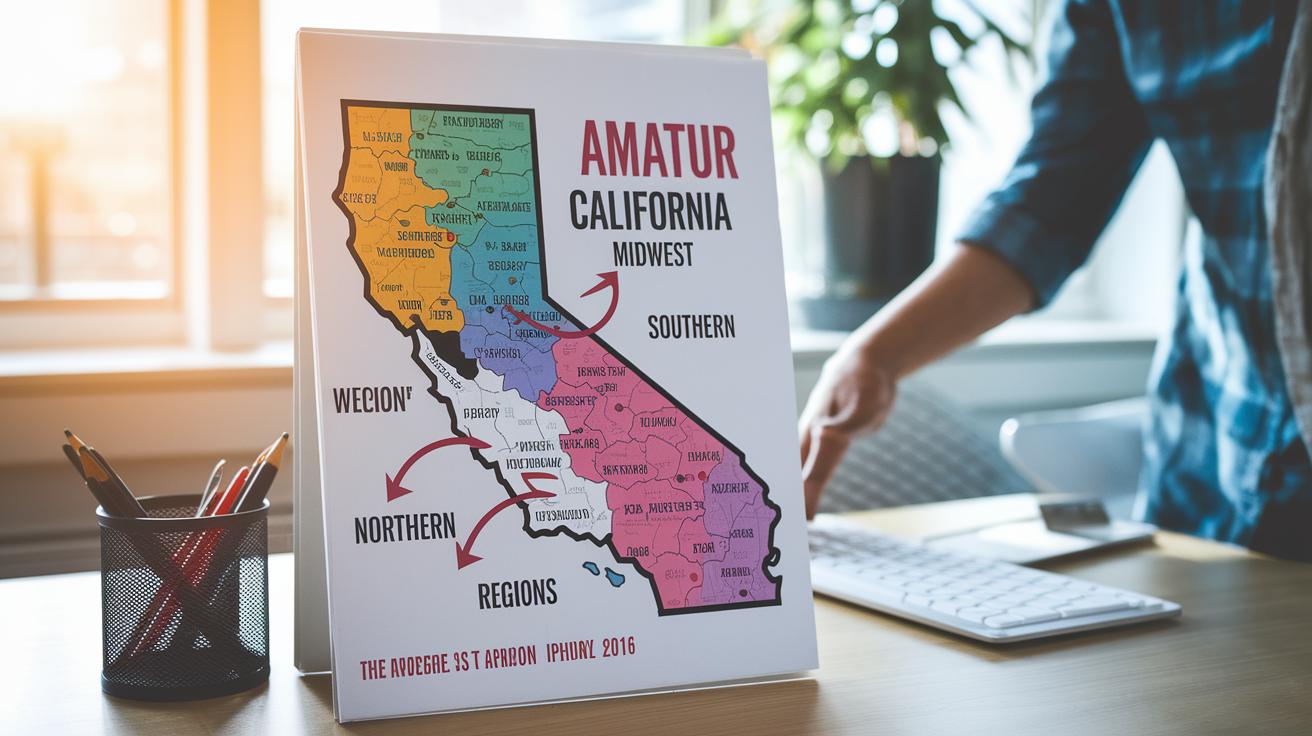
National trends give us a general picture, but the regional details add extra insight. In December 2024, prices in California fell by 0.3%. This drop hints at softer demand there compared to the steady pace seen nationwide. Meanwhile, prices in the Midwest climbed by 0.2% over the year, suggesting a little rebound. The Northeast moved up by 0.1%, and Southern markets stayed flat. Each region shows its own reaction based on local job conditions and consumer moods. It’s a reminder that one-size-fits-all numbers can miss the true story.
Across the country, cars stayed on lots for an average of 31.7 days. This number quietly influences the market, as different areas have different amounts of stock. Both buyers and sellers watch this figure closely. When cars aren’t on the lot long, it often means a tighter market, which can lead to small changes in prices in various regions.
Future Projections in Used Car Market Analysis
Looking ahead, the models for 2025 point to a small drop in prices, around 0.5% to 1.0%. Analysts build these forecasts by looking at past trends, seasonal buying habits, and shifts in how people spend their money. They mix hard data with hands-on reports from dealers and auction houses. One big factor is the rising popularity of luxury and electric vehicles. These cars help lift the market's overall value, even when other segments are slowing down. Changes in what people can afford and shifts in inventory also play a role, giving us a balanced look at both the challenges and the bright spots.
Economic forces are really steering these careful predictions. A clear trend is the growing demand for luxury electric vehicles, which might soften the blow of wider market drops. For example, Cox Automotive’s forecast for 2026 shows a slight bounce back in supply along with steadier wholesale rates. More vehicles hitting the market could ease price pressures, even if shoppers are spending a bit less during slower retail times. In short, the mix of high-end car demand and a recovering supply chain hints at a market that might become a bit more lively in the coming years.
There are three clear paths for price trends through 2026: one where prices continue to drop slowly, another where strong luxury and EV demand supports the values, or a middle path where better supply keeps prices stable and steady.
2 used car market analysis: Fresh Growth Trends

Manheim rolls out its monthly MUVVI on the 5th business day, serving up fresh numbers for everyone from savvy investors to everyday shoppers. This monthly snapshot is like a quick heart check for the used car market, showing how values shift with supply and demand.
Free tools like Kelley Blue Book and Edmunds work like simple calculators. They let you peek at car prices and spot trends without needing to crunch a ton of numbers. It’s a handy way to compare values and boost your confidence when you’re planning your purchase.
Then there are digital VIN history lookup sites that add even more clarity. They share detailed history, think maintenance records, auction details, and price changes, so you can make smart decisions about your next car. For a clearer picture, check out this market analysis template that turns reports into easy-to-read visuals.
Final Words
In the action, you saw how tracking pricing trends and segment shifts helps shape financial plans. The post walked through key metrics like days’ supply and regional price changes, while highlighting future forecasts and data tools.
We dug into the used car market analysis, breaking down auction insights and segment performance step by step. This fresh look keeps our approach straightforward and inspires smart decisions ahead. Keep exploring and stay positive about what lies in store.
FAQ
What is used car market analysis pdf?
The used car market analysis pdf provides detailed insights into pricing trends, segment shifts, and wholesale dynamics. It gives readers clear data to compare past years and understand current market conditions.
What does used car market analysis 2023 show?
The used car market analysis 2023 shows updated price trends, segment performance, and auction insights from recent indices. It highlights year-over-year changes to help buyers understand the current market.
How does used car market analysis by year help buyers?
The used car market analysis by year compares historical trends to reveal price shifts and inventory changes. It guides buyers on when to act by showing how market conditions have evolved over time.
What is used car market analysis calculator?
The used car market analysis calculator is a tool that uses historical metrics and trend data to estimate vehicle value changes. It helps both buyers and dealers assess competitive pricing.
What insights does used car market analysis 2022 offer?
The used car market analysis 2022 offers insights into past pricing, segment performance, and wholesale market supply. It helps users see how market dynamics have changed, enabling more informed vehicle decisions.
How do I use a used car market forecast for 2026?
The used car market forecast 2026 projects future price trends and sector shifts based on current data. It allows buyers and dealers to plan ahead, anticipating modest declines and potential demand rebounds.
What information does a used car prices chart by year provide?
The used car prices chart by year visually summarizes annual price changes, enabling a quick comparison of market shifts over time. It supports smarter buying decisions by clearly displaying trends.
How is used car market share by company determined?
The used car market share by company is determined through data on sales volumes, inventory levels, and consumer demand across various brands. It helps illustrate which companies are leading the market.
What month is the cheapest to buy a used car?
The cheapest month to buy a used car often falls when dealerships face slower sales periods, commonly late in the year. Seasonal adjustments and inventory cycles can lead to lower prices.
What is the 8% rule when buying a car?
The 8% rule when buying a car means negotiating for a price around 8% below the sticker price. This guideline helps buyers secure a fair deal by comparing retail pricing with market trends.
Are used car prices expected to drop in 2025?
The projection for 2025 suggests a modest drop in used car prices due to evolving market supply and demand factors. Forecasts indicate lower prices as economic and seasonal trends adjust.
What is a good rate on a used car right now?
A good rate on a used car reflects current market averages and favorable financing terms. Buyers should compare local offers and current data to ensure they are getting a competitive deal.