

Ever thought that a low income means you have no control over your cash? Well, that’s not true. Even with a small income, a tiny tweak in your money habits can lead to big savings. Picture your money as little coins neatly arranged in a jar, each one playing its part in keeping your bills under control.
This easy-to-follow guide shows you how to give every dollar a specific job. It turns everyday money challenges into clear benefits and even helps you build a backup fund for unexpected costs. Let’s dive into a plan where every dollar truly matters.
Building a Low-Income Zero-Based Budget Blueprint
Start by writing down all your monthly income sources. This includes your salary, earnings from part-time work, or any government benefits. For example, if you receive money from a side gig or a bonus, list them all alongside each regular expense seen on your bank statements.
Then, try zero-based budgeting. This means giving every single dollar a specific task until your income minus your expenses equals zero. Think of it like putting coins into a well-worn jar where every coin has its spot. For instance, if you earn $1,200 in a month, plan exactly how each dollar will cover your bills, groceries, and other needs, leaving no change unassigned.
Also, set aside some money for emergencies. Aim to build a starter fund of about $1,000. This reserve can help cover unexpected costs, like car repairs or medical bills, so surprises don’t throw your budget off track.
It’s a good idea to review your budget every month. Check your bank statements and receipts to compare what you planned with what you actually spent. This regular review helps you catch any changes and fine-tune your funds allocation.
If you need a hand mapping your income and expenses, consider using a downloadable resource like the Personal Budgeting Template from Founder1.com. Adjust your plan as your situation changes, and keep every dollar working for you.
Tracking Expenses on a Tight Budget with Low Income

When money is tight, every cent counts. It helps to use an online app that connects with your bank or a simple spreadsheet where you jot down every purchase as it happens. Try using an Excel budget template, for example, to keep things neat. Writing down each expense for a whole month gives you a clear picture of where your money goes. You might notice, for instance, that your grocery bills spike unexpectedly, which shows you where you can cut back.
A hands-on way to stick to your spending limit is the cash envelope system. Imagine packing a few envelopes with cash for daily needs like meals or treats. Once an envelope is empty, you know you've hit your limit. It’s like having a visual reminder that each envelope sets a spending cap, helping you keep your expenses in check.
Here are a few simple steps to track your money:
- Write down each expense right away.
- Look over your spending once a week to catch any surprises.
- Tweak your budget as needed when you see a pattern.
Using digital tools side by side with the cash envelope method paints a clear picture of your spending habits. This down-to-earth approach makes sure that every dollar is accounted for, helping you pave the way to smarter savings.
Thrifty Spending Techniques and Cost-Cutting for Low Income
When every penny counts, you have to get creative with your spending. Instead of shelling out for extra streaming services or an expensive gym membership, ask yourself what you really use. For example, I once spent $30 a month on a streaming service until I discovered I could enjoy free movies online and borrow books from the library instead.
Saving money sometimes means taking things into your own hands. You can try your hand at small home fixes or simple car maintenance. Think of it like trying out a new recipe, there's a real satisfaction in fixing a leaky faucet or performing an oil change yourself, all while keeping a few extra dollars in your wallet.
Here are some easy steps to help cut your costs:
Think of these ideas as a way to take control of your money. Even small changes, like switching to generic brands, can add up quickly. By focusing on what really matters, you let your money work smarter for you instead of draining away on extras that don't help your big goals.
Prioritizing Essentials in a Budgeting Low Income Plan
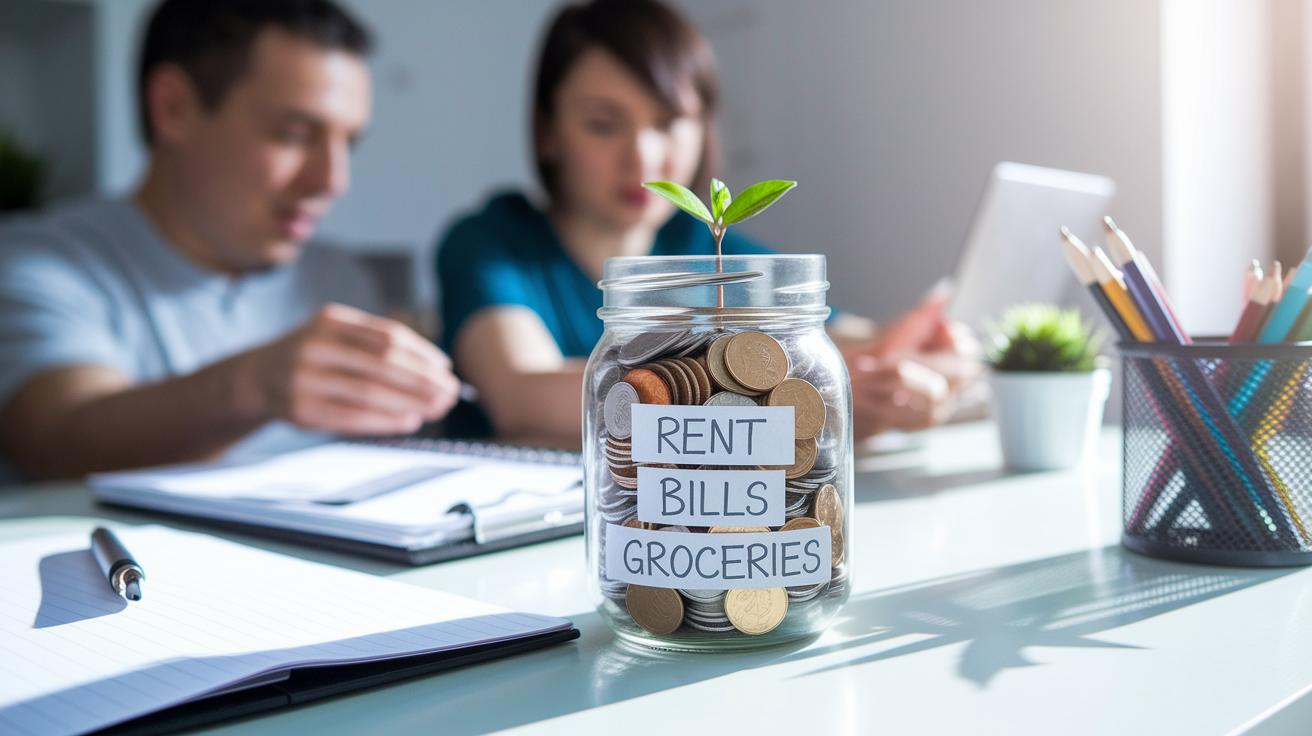
When you're working with a tight budget, start by focusing on your must-haves. Your "four walls", housing, utilities, food, and transportation, are the heart of your monthly plan. These costs keep you and your family safe and warm. Imagine filling up a jar with your income, where the biggest pieces go to your rent or mortgage, then to bills and groceries. This way, you’re sure you have a roof over your head and enough to eat.
After covering your basics, move on to your secondary needs. This means putting aside money for things like healthcare, childcare, insurance, and debt payments. These are still important, but they come after your essential expenses. Think of it like layering a cake; once the bottom layer is strong, you can add the extra layers to feel more secure.
It’s also smart to save a little bit for those unexpected moments, like car repairs or surprise medical bills. Even saving a few dollars each month can build a cushion that stops sudden expenses from messing up your whole budget.
| Essential Needs | Secondary Needs | Irregular Expenses |
|---|---|---|
| Housing, utilities, food, transportation | Healthcare, childcare, insurance, debt payments | Reserve for unexpected costs |
Breaking your spending down this way helps keep your cash flowing smoothly. By ranking your expenses from most important to less urgent, you can make sure your budget stays balanced, even when money is tight.
Budget Tools for Beginners on a Low Income
Managing money on a small income can feel like an uphill battle, but the right tools can help you make every dollar count. Free printable guides and digital spreadsheets let you easily track your spending without any extra fuss. They also allow you to set up your own categories so you can see exactly where your money is going. Some online trackers even link directly to your bank and send you helpful alerts to keep you on plan. And those handy mobile apps update you in real time and can automatically shift money into your savings, kind of like setting up your own little saving ritual.
Using the right tools can really change the way you manage your money when it’s tight. The table below shows a few popular budgeting resources that are simple to use and designed to meet your needs:
These easy-to-use tools clear up your spending, boost your confidence in managing money, and pave the way to smarter savings and steady progress.
Real-Life Success Stories in Budgeting Low Income

One single parent cleared $2,000 in debt in just six months. She cut out subscriptions she barely used and picked up weekend caregiving gigs. Every dollar saved was put straight towards reducing her debt. It’s amazing how little changes in daily spending can make a big difference.
Another household saved $500 in three short months. They used a simple cash envelope system where they only spent what was in the envelope. When the envelope was empty, that was it for spending that week. This little trick helped them stick to a budget without feeling overwhelmed.
These stories remind us that tracking your spending and making small, smart adjustments can lead to real progress. Every step, be it reducing debt or saving a bit more, builds towards a brighter financial future. Small wins truly add up!
Final Words
In the action, we built a zero-based budget blueprint that tackles every dollar in a budgeting low income plan. By listing income sources and matching them to monthly expenses, you learn to trim non-essential costs and prioritize the basics. Tracking expenses with apps or simple spreadsheets and using cash envelope systems can make a real difference. Small, steady adjustments each month pave the way for financial stability. Keep moving forward and celebrate every step toward a brighter financial future.
FAQ
Budgeting low income reddit
Budgeting advice shared on Reddit for low income emphasizes tracking every spend, using simple calculators, and applying a zero-based approach. Users suggest listing income and expenses to give each dollar a purpose.
Low income budget example
A low income budget example outlines monthly income, essential expenses like housing and utilities, and a savings allocation. This method ensures every dollar is accounted for, making it easier to manage money.
How to budget money on low income pdf
A PDF guide for budgeting on a low income typically explains a step-by-step zero-based plan. It offers templates and clear instructions on matching income with expenses while highlighting key strategies for success.
Budgeting low income calculator
A low income budgeting calculator assists in matching income with monthly expenses. It helps you see how much is left after essential spending and adapts to your unique cash flow situation.
How to budget money for beginners
Budgeting for beginners means listing all sources of income, prioritizing vital expenses, and assigning every dollar a role. This straightforward method helps manage money effectively even with limited funds.
Budget template
A budget template provides a clear layout to track every income source and expense. Many ready-to-use templates let you fill in details, ensuring no dollar goes unmonitored.
How to save money fast on a low income
Saving money fast on a low income involves cutting non-essential spending and tracking each purchase closely. Simple moves, like cancelling unnecessary subscriptions and using coupons, can lead to quick savings.
What’s the best way to budget on a low income?
The best way to budget on a low income is by using a zero-based approach that assigns every dollar a job. This method prioritizes essentials and avoids waste, making money management clear and straightforward.
What is the 3 3 3 rule for money?
The 3 3 3 rule for money splits your budget into three parts: 30% for necessary expenses, 30% for savings or debt repayment, and 40% for other spending. It provides a simple structure to balance income and costs.
Is $1000 a month low income?
Earning $1000 a month is commonly seen as low income. Managing this amount typically requires strict budgeting and careful allocation of funds just to cover basic living costs.
What benefits can I get if I have low income?
Having a low income may open up eligibility for support programs like food assistance, housing subsidies, or healthcare benefits. Local agencies usually provide details on how to apply for these resources.