
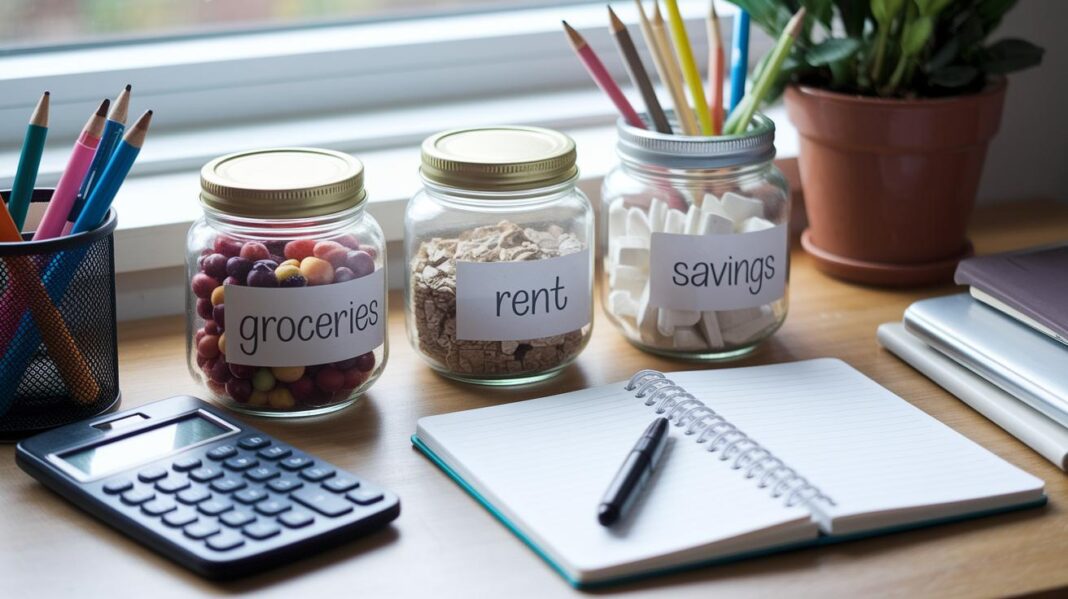
Ever wonder where your money goes each month? It might feel like your cash just disappears before you know it. A simple budget can help clear things up by splitting your spending into easy groups like housing, food, and savings.
Think of it like sorting coins into a jar, each coin in its own spot lets you see where your money is flowing. This way, you can quickly spot where you might need to make a small change.
Try this out and see how organizing your spending can make your finances feel more in control. You might be surprised at how a few small tweaks can bring a whole lot of clarity to your daily money habits.
Key Personal Budgeting Categories Explained
When you sort your spending into simple groups, it becomes easier to see how your money flows. By checking where your dollars go each month, you quickly spot places that might need a little change. This clear view helps cut out mix-ups and sets you on the right path for smart money choices.
Think of it like arranging coins in a jar. When you know exactly which pile each coin belongs to, you can decide how much to put aside for different needs and treats. It’s all about making each dollar count.
| Category | Description |
|---|---|
| Housing | Mortgage or rent payments that cover your living space |
| Transportation | Expenses related to your car, fuel, or public transit fares |
| Food | Costs for groceries and dining out to keep you nourished |
| Utilities | Bills for electricity, water, and gas to run your home |
| Insurance | Premiums for health, auto, or home policies to protect you |
| Medical | Out-of-pocket expenses for health services |
| Savings/Debt | Money put aside for an emergency fund or paying off loans |
| Personal Spending | Costs for clothes, subscriptions, and personal care |
| Recreation | Expenses for hobbies and entertainment that bring you joy |
| Miscellaneous | Extra costs like gifts or unexpected expenses |
When you match these spending groups with your take-home pay, you can set aside money that fits your real needs. Checking your monthly income helps you assign a purpose to every dollar, so your budget truly reflects what matters most to you.
Fixed, Flexible, and Irregular Personal Budgeting Categories
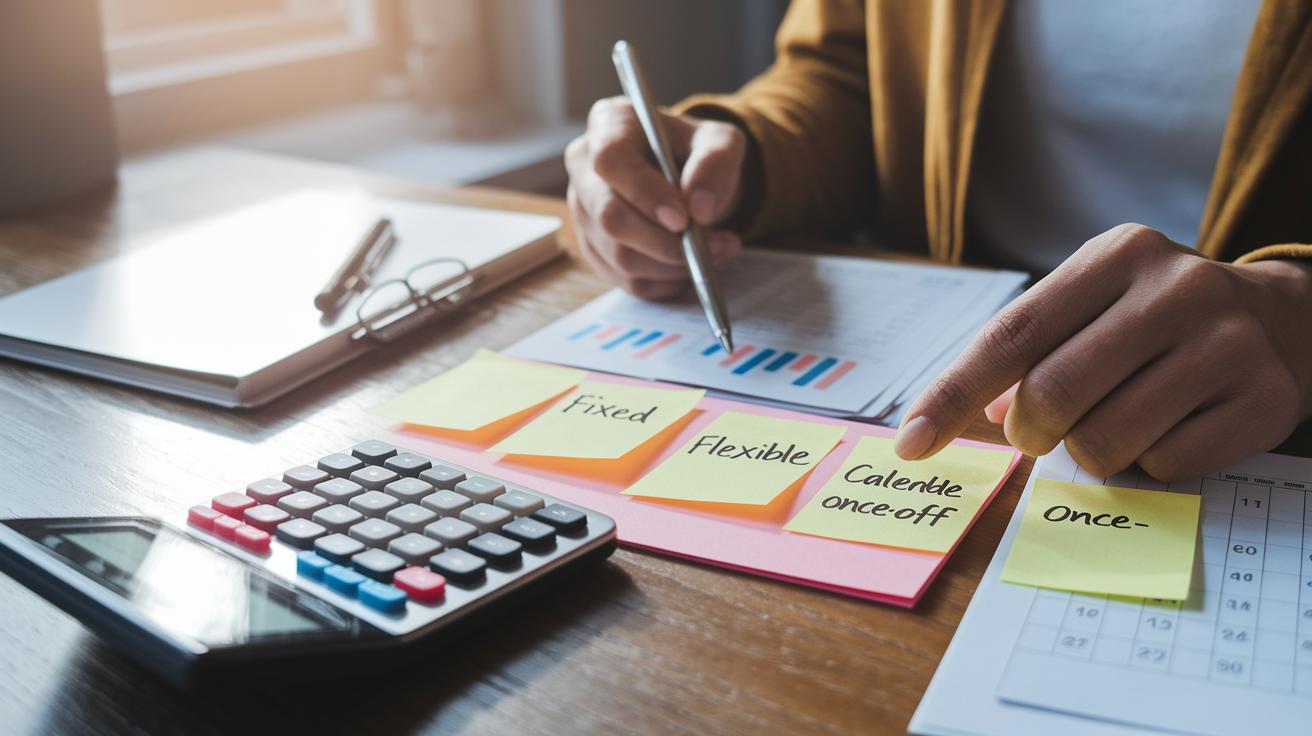
This approach splits your spending into three clear groups. It shows you which bills stay the same every month, which ones shift around, and which costs only pop up once in a while. It’s like having a roadmap for your money, making sure you cover the must-haves while keeping a bit aside for surprises.
Fixed Expenses
Fixed expenses are the steady, monthly bills like rent or mortgage and utilities. With these, you always know what you’re paying. They give you that stable feeling, it’s like having a regular heartbeat in your budget.
Flexible Expenses
Flexible expenses vary from month to month. They cover daily spending like food, transportation, or a night out. Sometimes you might spend a little extra on groceries, other times more on a fun outing. This group lets you adjust your spending according to your needs and lifestyle.
Irregular Expenses
Irregular expenses show up only a few times a year, like annual insurance, holiday gifts, or a one-time repair. By setting aside a little money over time, you can handle these costs without disrupting your monthly budget.
| Category Type | Definition | Examples | Typical Percentage |
|---|---|---|---|
| Fixed | Steady bills that rarely change | Rent, utilities | 40-50% |
| Flexible | Everyday expenses that can shift | Food, transport, entertainment | 30-40% |
| Irregular | Costs you pay only sometimes | Insurance, holiday gifts | 10-20% |
personal budgeting categories: Simple Steps for Success
Percentage-based budgeting helps you see exactly where your money goes each month. Think of it as dividing your paycheck into different jars so you cover your needs, save for the future, and still enjoy a little fun along the way.
For example:
- Housing: Set aside about 25–35% of your pay (roughly $891–$1,247).
- Transportation: Try using 10–15% (around $356–$535) for getting around.
- Food: Another 10–15% (about $356–$535) can go for groceries and meals.
- Utilities: Reserve 5–10% (roughly $178–$356) for bills like water and electricity.
- Insurance: Plan for 10–25% (about $356–$891) to protect yourself.
- Medical: A small 5–10% (around $178–$356) for health needs gives you peace of mind.
- Savings/Debt: Aim to keep 10–20% (roughly $356–$713) for building savings or paying off debt.
- Personal Spending: Allow 5–10% (about $178–$356) so you can treat yourself now and then.
- Recreation: Another 5–10% (roughly $178–$356) can be for hobbies or outings.
- Miscellaneous: Keep 5–10% (around $178–$356) handy for unexpected expenses.
These suggestions are based on a monthly budget of around $3,564. But your story is unique. Personal needs and changes in income might mean tweaking these percentages until they fit you perfectly. Using a financial calculator can be a simple way to adjust your plan. Remember, every little change helps you stay on track with your money.
Tracking and Adjusting Personal Budgeting Categories

Keeping an eye on your spending is a smart way to take charge of your money. When you use handy digital tools and pause to check in on your expenses, you soon see where your cash is going. This practice not only helps cut back on extra spending but also highlights small wins that boost your confidence.
Here are some simple steps to try:
- Recording every expense – like jotting down each coffee or snack to get a real sense of your daily spending.
- Matching what you spend to your planned budget.
- Setting aside time each month to review your totals.
- Adjusting for any odd or one-time charges.
- Cutting back on things you don’t really need.
- Celebrating when you hit your budget goals.
- Tweaking your spending plan as needed.
Budgeting isn’t a one-and-done deal. Think of it like taking care of a garden, it needs regular watering and attention. Checking in on your budget each week or month helps you adjust to changes in life, like different seasons, and can reveal spending habits you hadn’t seen before. Over time, these reviews create a clearer picture of your finances, helping you make choices that work better for your goals.
Sample Monthly Personal Budgeting Categories Template
Making your own budget template is a great way to watch where your money goes. A simple layout like this lets you see how much you plan to spend and how much you really spend each month. For example, if your spending on food turns out to be more than you expected, you can adjust your plan for the next month.
| Category | Allocated Amount | Actual Spent | Variance |
|---|---|---|---|
| Housing | $1,069 | $1,050 | + $19 |
| Transportation | $427 | $450 | – $23 |
| Food | $427 | $400 | + $27 |
| Utilities | $285 | $300 | – $15 |
| Savings | $535 | $535 | $0 |
| Discretionary | $285 | $260 | + $25 |
This ready-to-use template makes checking your budget feel easy. By matching your set amounts with what you actually spend, you can quickly notice any differences. Small changes, like a little extra at the grocery store, can add up over time. If you need more options, you can visit the excel templates for personal budgeting to customize your worksheet even further. Regularly updating these numbers helps you stay in control of your money and make better decisions over time.
Prioritizing Personal Budgeting Categories for Financial Goals

When you tie your budget to clear money goals, every dollar goes where it matters most. Think of saving as a must-pay bill that comes first, so you’re setting aside funds before spending on extras. This simple approach covers both what you need today and the dreams you have for tomorrow.
Short-Term Goals: Emergency Fund, Debt Payoff
For goals that need quick attention, it’s smart to stash money for an emergency fund or to knock down debt. Imagine it like saving for a rainy day or lightening the load of bills that keep you from feeling free. Little, steady contributions can really add up over time.
Long-Term Goals: Retirement, Education Savings
Planning for the future means regularly saving for retirement or setting money aside for education. By matching part of your budget with these long-term plans, you slowly build a safety net that grows with your efforts. It’s like planting seeds now so that later you enjoy a bountiful harvest of financial security.
As your life shifts and your money needs change, it’s a good idea to review and adjust these priority areas. Switching funds between current needs and future goals keeps your budget flexible and in step with your evolving plans.
Final Words
In the action, this blog broke down your cash flow by sorting expenses into clear, key areas. We explored ten main categories like housing, transportation, food, utilities, and more. It also unpacked a smart three-bucket model and shared percentage guidelines to help you plan effectively.
By applying these personal budgeting categories, you can easily align spending with take-home pay and goals. Stick with this plan, it’s a simple, solid path toward better financial balance and growth.